May 18, 1980, I was on duty, serving onboard the USS Theodore Roosevelt (SSBN-600). We were moored at the new Bangor Submarine Base waiting to move down to the Bremerton Shipyard so that the boat could go through a decommissioning. Mount Saint Helens had been in the news for weeks prior as it burped and steamed and bulged. Everyone was waiting for the eruption although some, like Harry Truman (living on Spirit Lake directly below the mountain) did not believe the eruption would ever happen.
It did happen, as we all know! We watched as the eruption and explosion tore over 1,800 feet off the top of the mountain, throwing an ash cloud over 15 miles into the sky, sending ash out over four states.
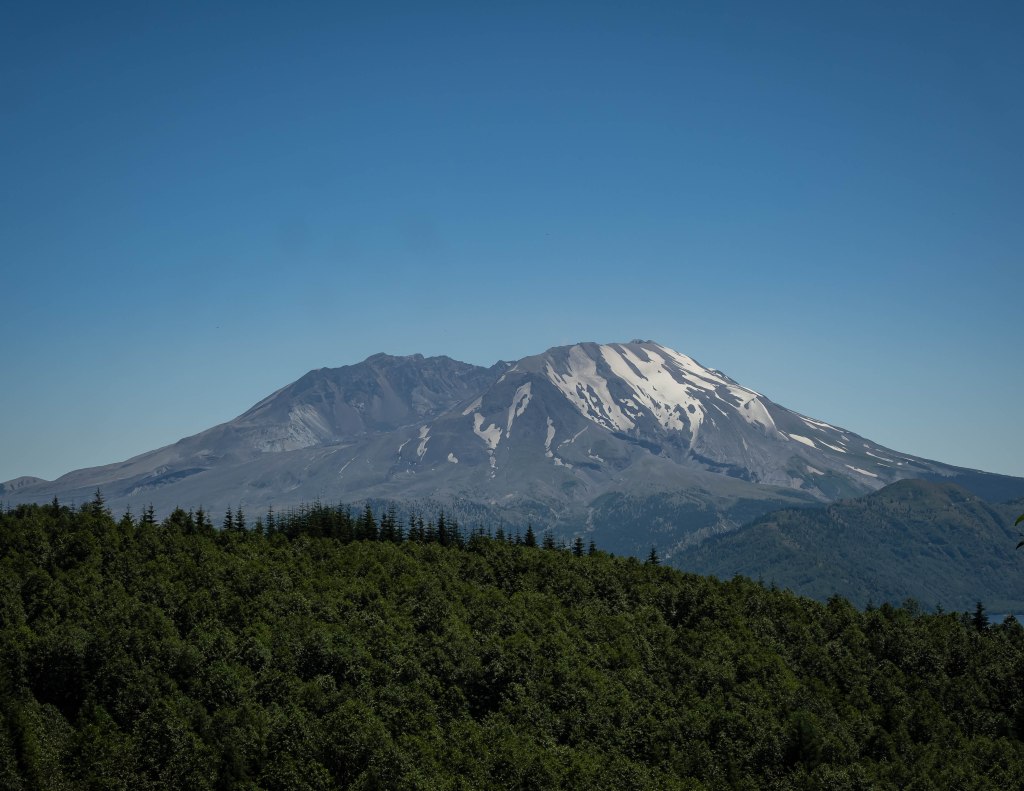
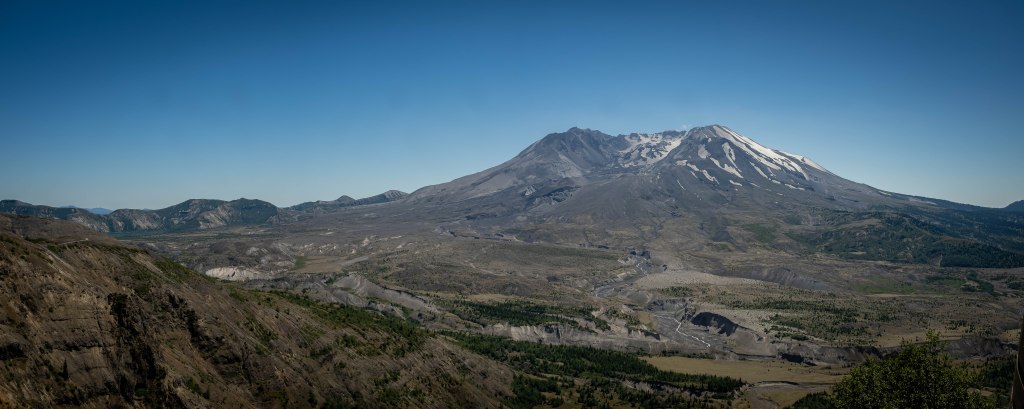
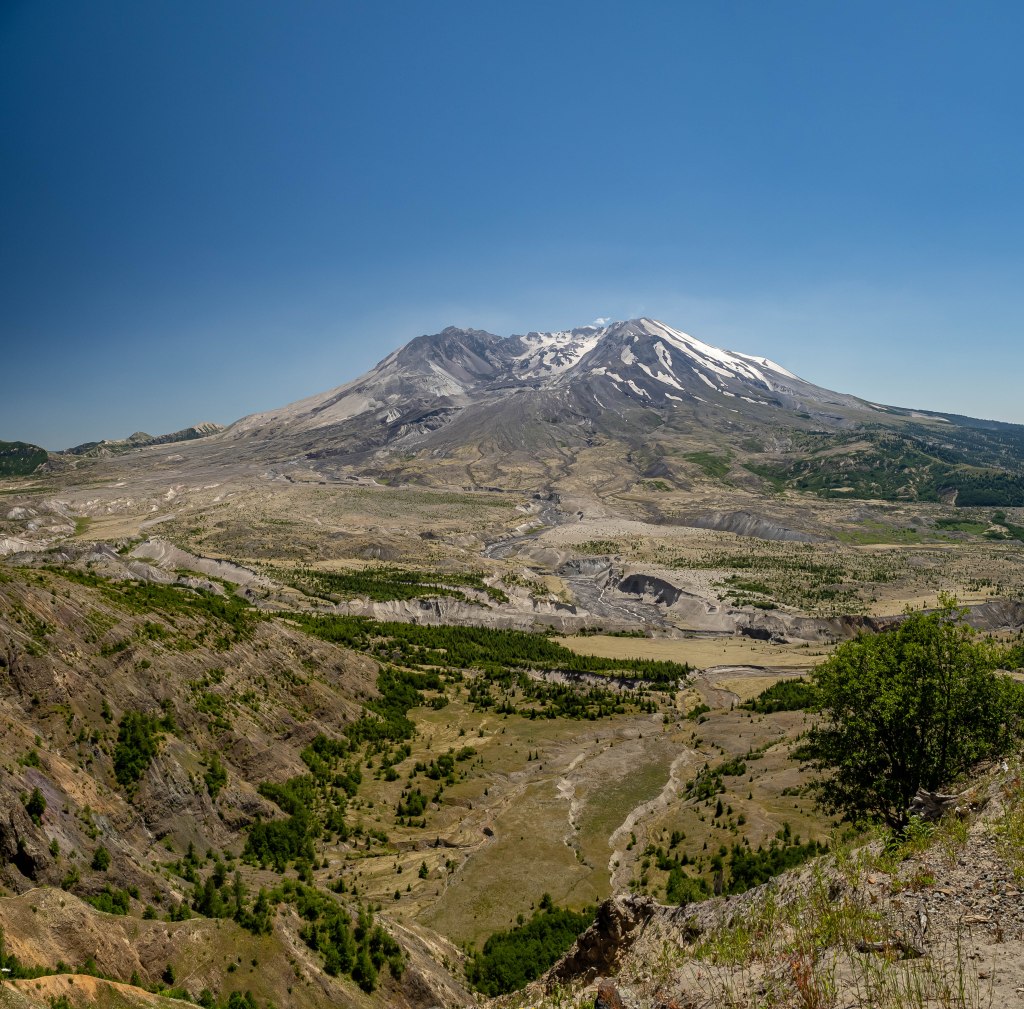
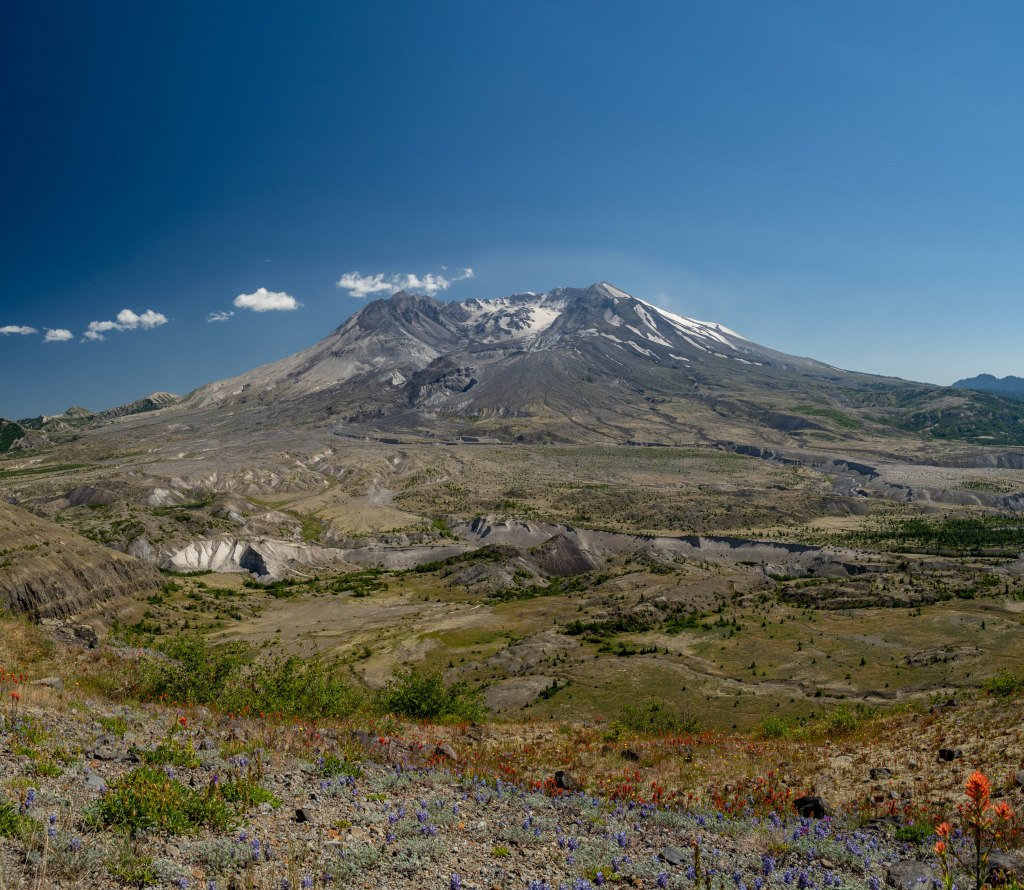
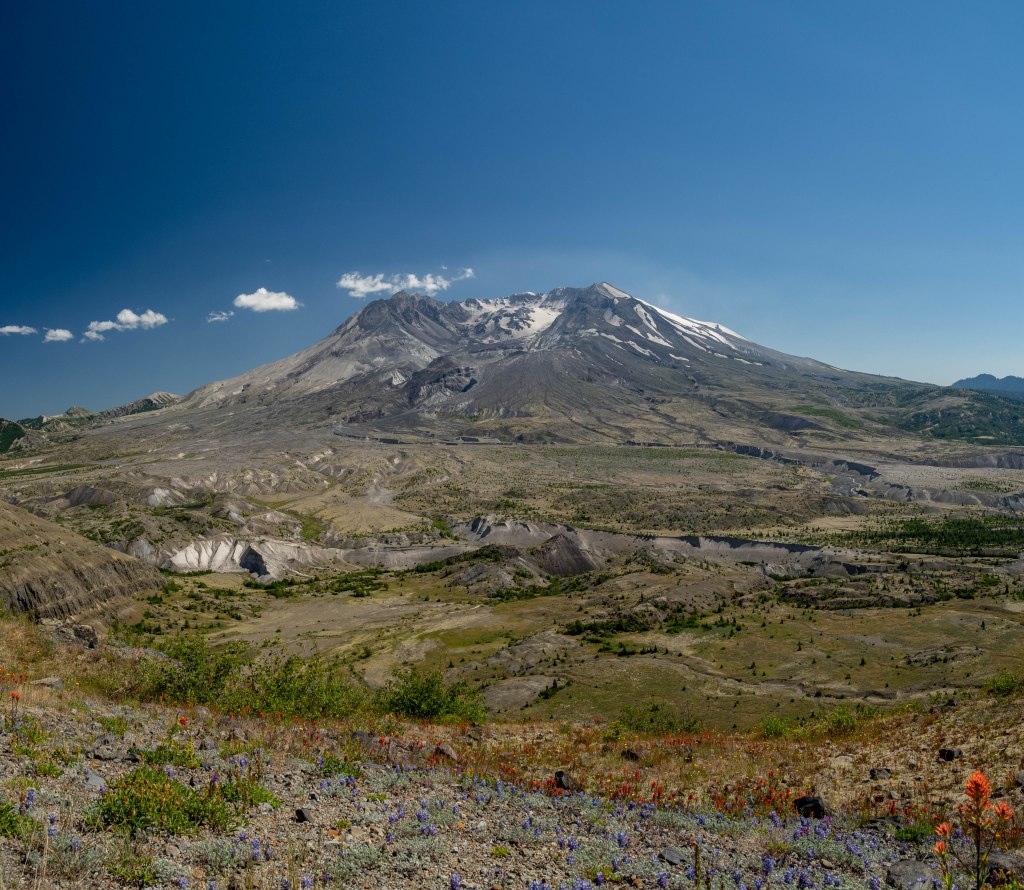
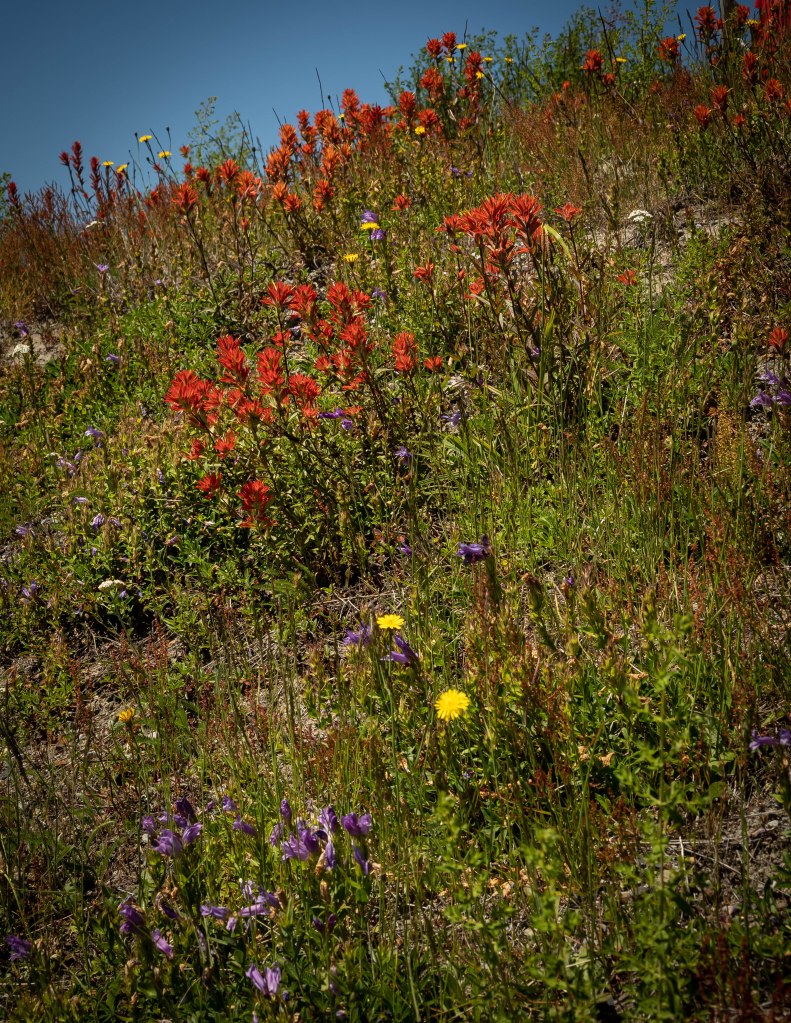
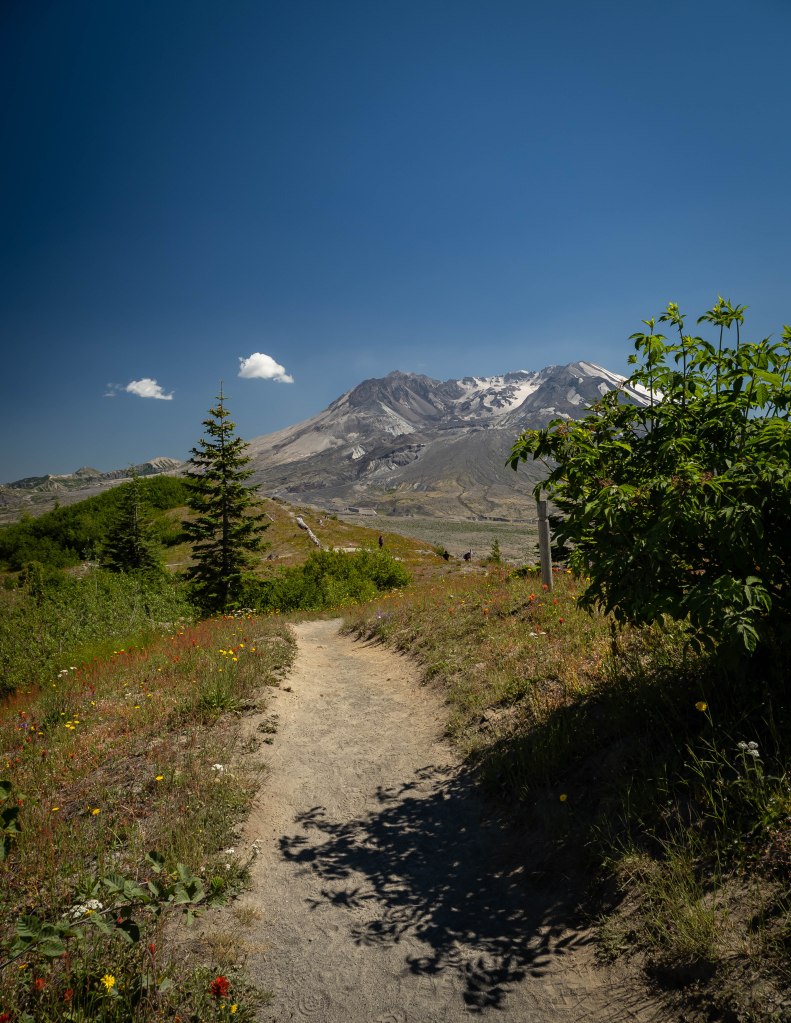
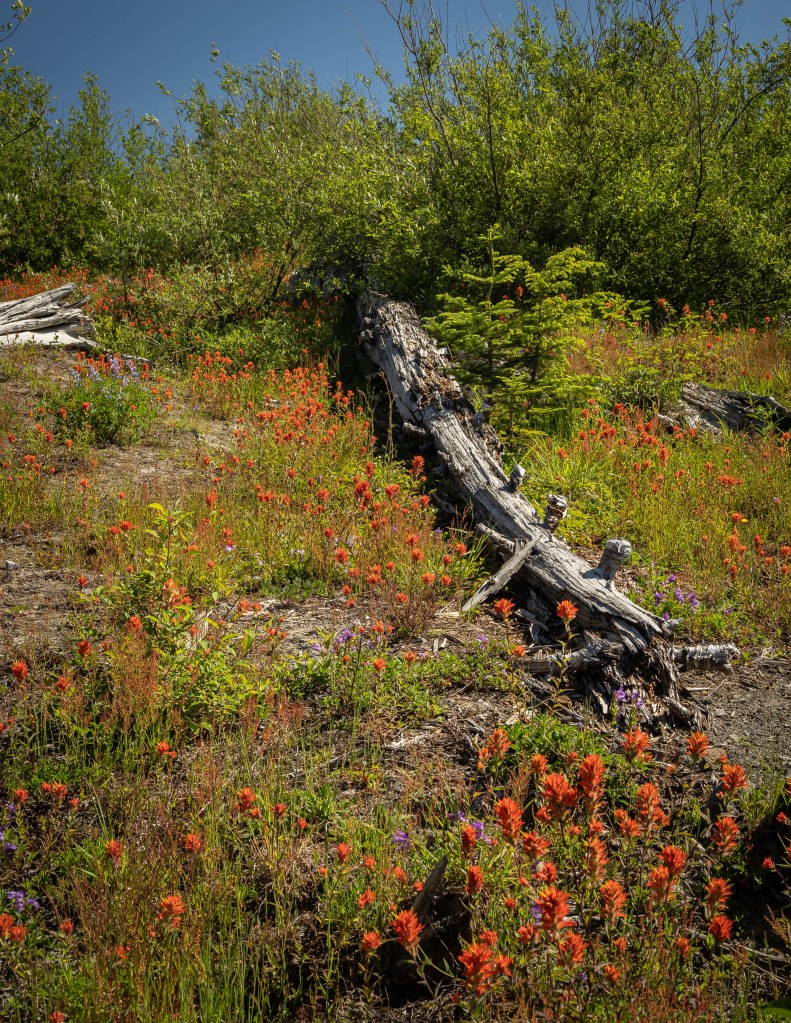
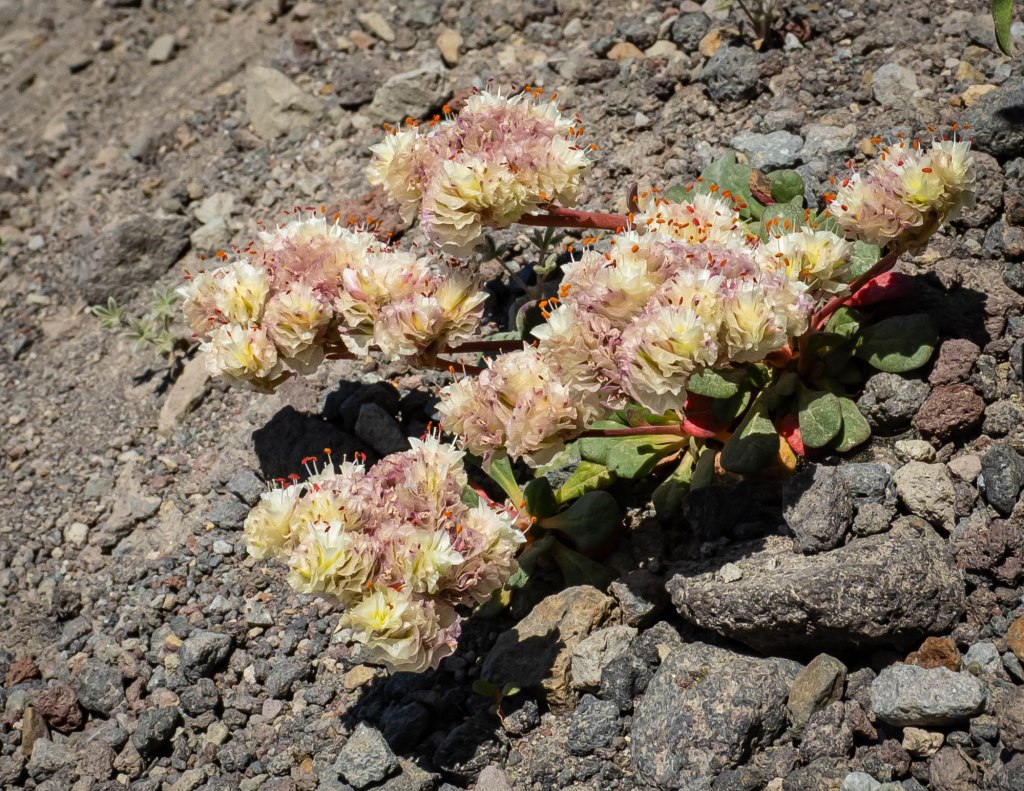
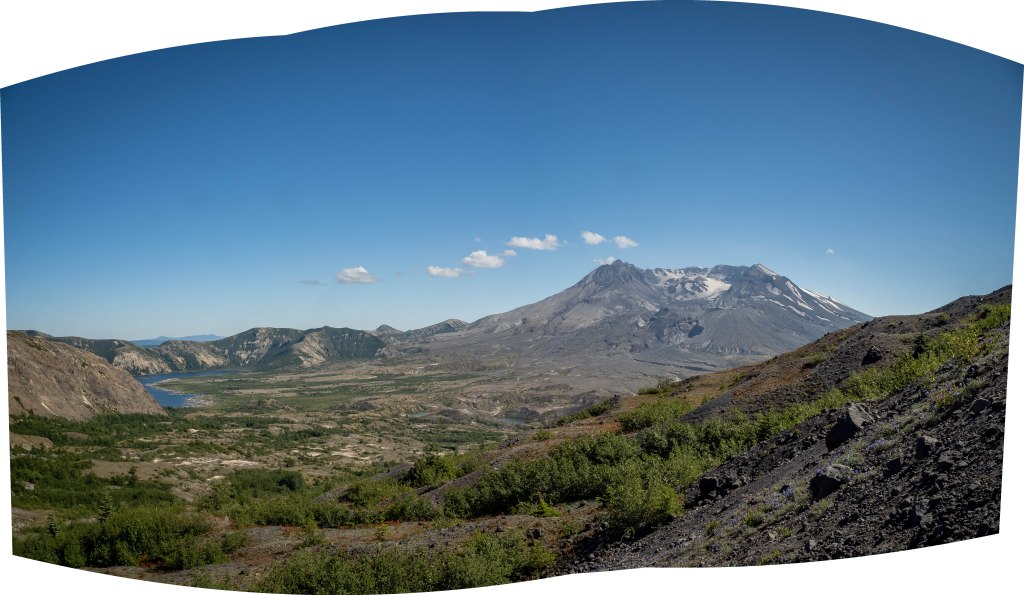
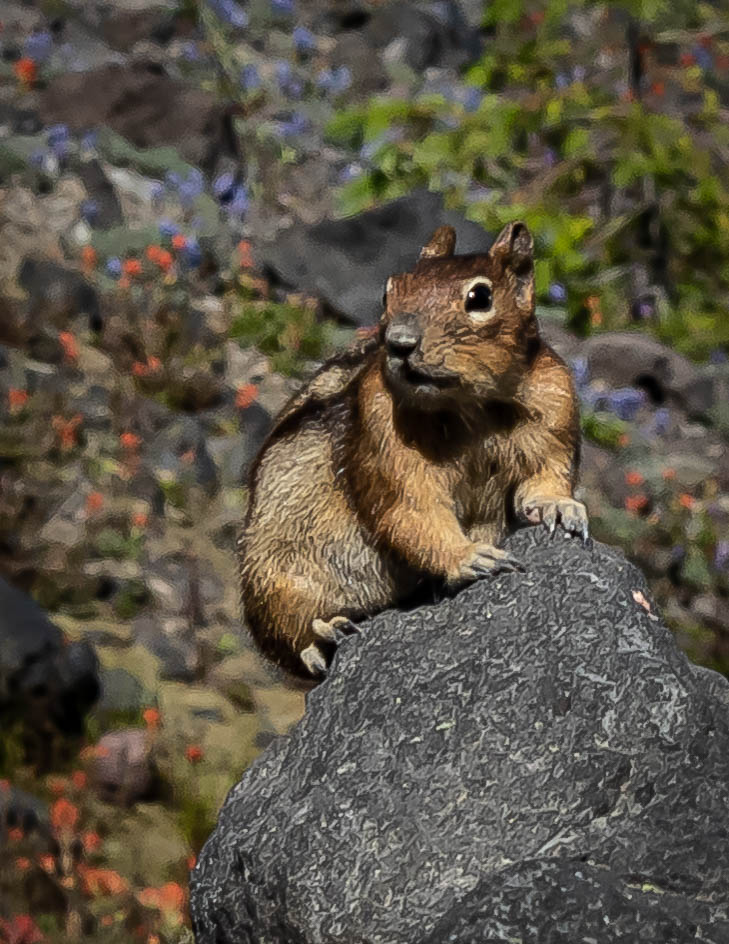
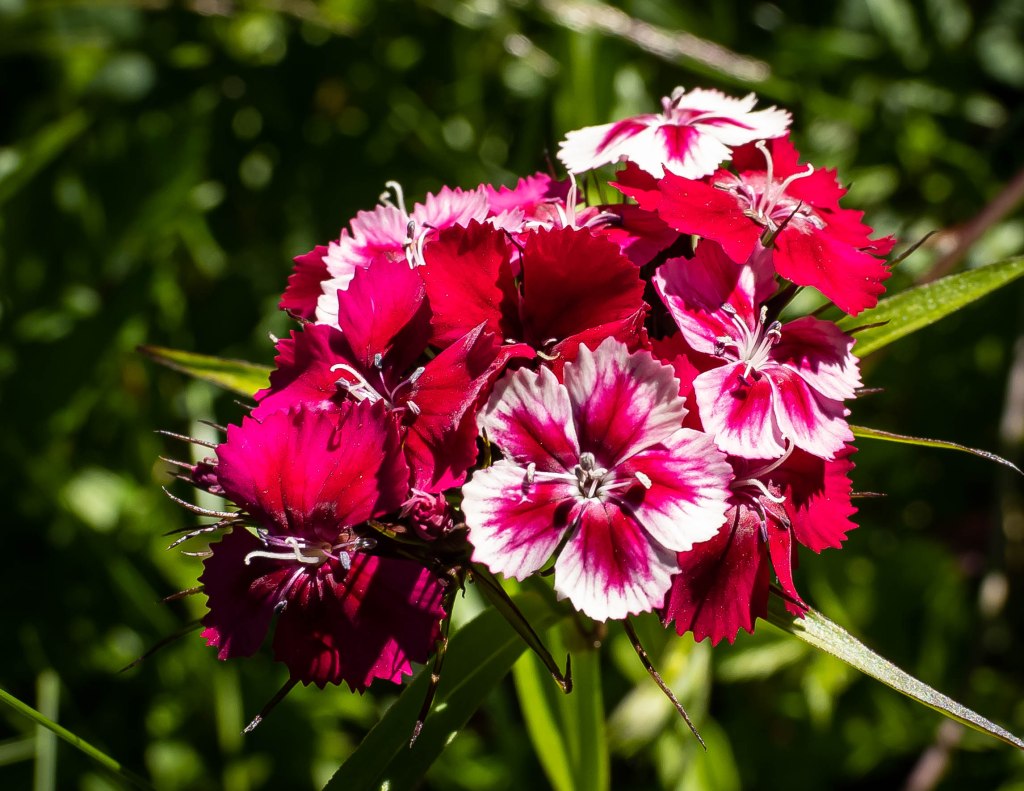
Shortly after the initial explosion, the magma chamber that had been building under the mountain, reached the surface resulting in cataclysmic pyroclastic flows that surged outward. What the explosion had not leveled, now the superheated mudflows tore down and buried the rest.Over 150,000 acres of nearly pristine forest of Douglas Fir, Noble Fir, Hemlock, Spruce and Cedars ceased to exist except as stumps, flattened tree trunks and pieces of debris.Over fifty people were killed by eruption. Harry Truman and Spirit Lake were buried under over 180 feet of ash and debris from the mountain. AS you see in this picture, the side of the mountain simply blew outward, covering and destroying everything.I had honestly expected to see more damage from the eruption than what exists today, but then I had to remember that 40 years or more had passed. I was also completely unaware of the Federal, State and Private response to recovery from this disaster. Within four weeks of the end of the eruption, Weyerhauser Lumber was already test planting trees back in the disaster zone and conducting sampling of the ash to determine what regrowth potential existed. As of today, this company alone has hand planted over 4.8 MILLION Douglas Fir and Noble Fir trees back into the area outside the national park.The park remains untouched. The recovery within the park boundaries have been left to Mother Nature . . . and she has been doing amazing things as you can see in the fields of wildflowers growing everywhere.There are miles and miles of hiking trails that go into and around the park. They are all well marked and well maintained; however, the ash is still here and every step on every trail raises a small dust cloud that will cling to your clothes and shoes and before you know it, you will be tasting the burnt and dry soil.Slowly though, nature is repairing itself, as can be seen in the colors and in the new growth.Slowly, the dead trees are rotting away, providing nutrients back into the soil, food for other plants to take hold and thrive. If you wonder why there are not more piles of logs on the slopes, the lumber companies were very successful in recovering and processing a massive amount of the trees. However, the trees within the initial blast zone, and exposed to the pyroclastic flows, were cooked so dry that they could not be salvaged and were burned in place (controlled burns) thus returning some of the nutrients to the soil.Plants like the Mount Hood Pussypaws, with their muted and subtle colors.I hiked out on the Boundary Trail that runs about 52 miles around the mountain to a place known as “Truman’s Ridge” (named after Harry Truman who still lies somewhere below Spirit Lake.) More of a saddle between two ash and rubble strewn hills, Truman’s Ridge overlooks the new Spirit Lake (on the left side of the photo). The new lake has formed over the old lake, about 150 higher than it was before, created by a dam of volcanic debris and melted snow, the lake again has trout, reintroduced by the Department of Interior. Spirit Lake, before the explosion and eruption, was considered to lie within one of the few remaining pristine forests in the United States.Amazingly, more wildlife survived than what originally had been thought. Creatures, like this Ground Squirrel, were still hibernating under the snow when the eruption occurred. Elk have found their way back into the park, along with deer and bear. Life is returning!!Sweet Williams, in multiple shades of pink, red and deep purple, are springing from the ground, adding even more color, continuing the recovery in a most beautiful way!
Mount Saint Helens may not be somewhere that everyone will want to visit. I had a personal reason to come since I lived in Washington when the eruption occurred, and the volcanic ash trashed the glass coat finish on my car! I wanted to see the mountain up close. I wanted, oddly, to see the devastation, but it took days for me to get the smell of burnt ash out of my nose, mouth and throat. Not something I recommend for small kids for sure. Also, dogs cannot go farther than the visitor parking lot . . . which seemed to upset a few folks.
If you chose to go, and if you chose to hike, know that the ash still makes it difficult. Traction over the hard packed soil and rocks is lost because of it, and you definitely need to be extra cautious on the smooth rocks or you will easily bust your . . . rump!! Enjoy yourself, enjoy the park and first and foremost . . . be safe!

 What the Walrus said . . .