Okay . . . here we go . . . mu Subaru has been doing outstanding!! Snow, ice, dirt, mud . . . everything I have asked it to do it has jumped into it and powered through. We had a fun time on the 14% downgrade roads in Newfoundland (along with moose avoidance!) . . . but it is nice to be back in the U.S.A. so I can get her in and get her serviced. Who knows . . . maybe I can even get her washed today before we head out to Washington State and the North Cascades National Park.
I tried to send out photos of Craters of the Moon National Monument yesterday but the KOA had lousy Wi-Fi so I will try to get them done while I sit here at the dealership.
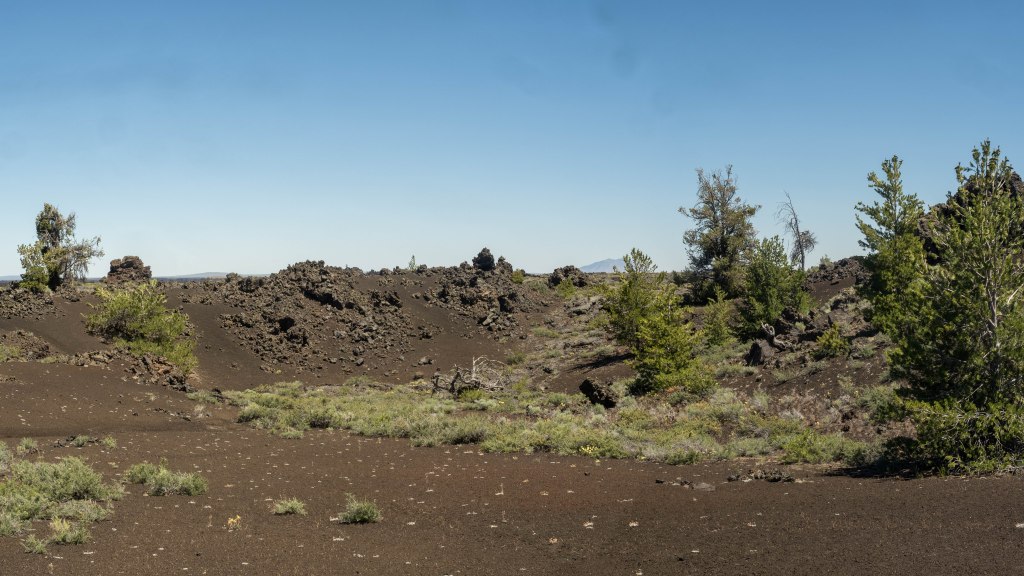
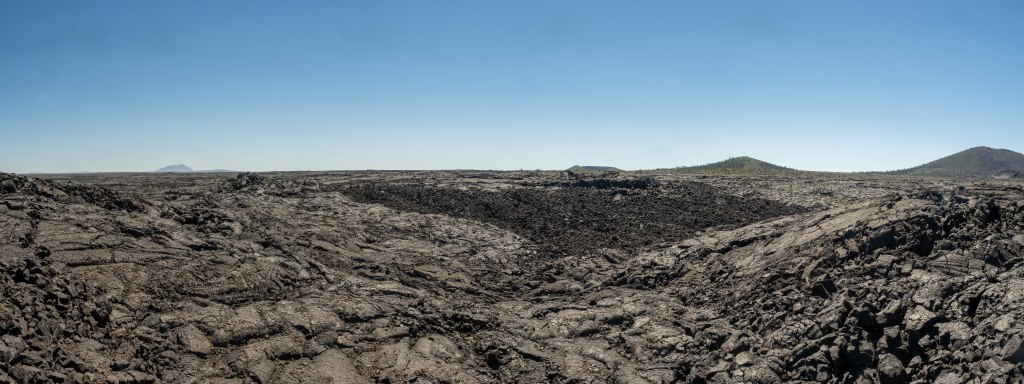
Craters of the Moon is an area of volcanic activity from 5,000 to as early as 2,000 years ago. It covers an area of over 58,000 acres and it is a very fascinating and different park.
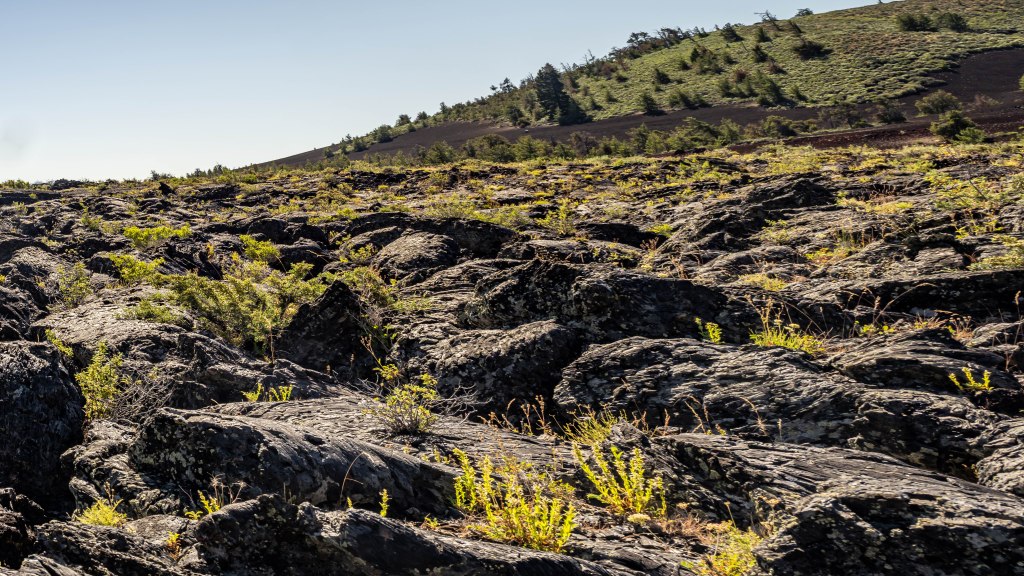
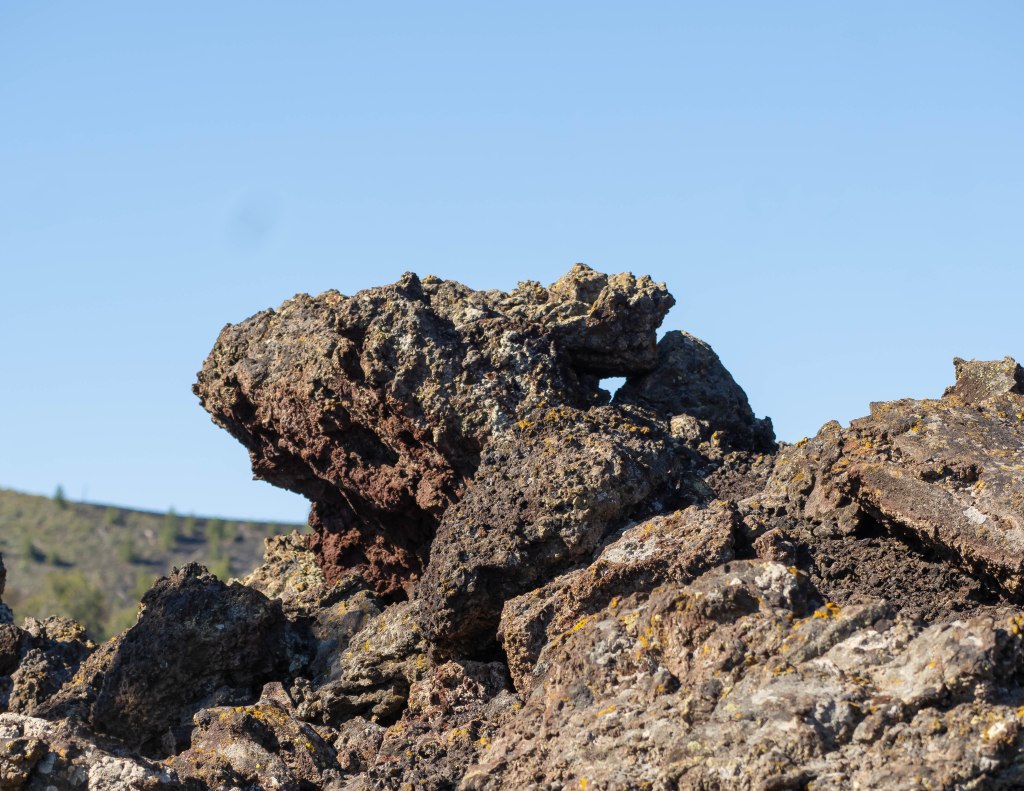
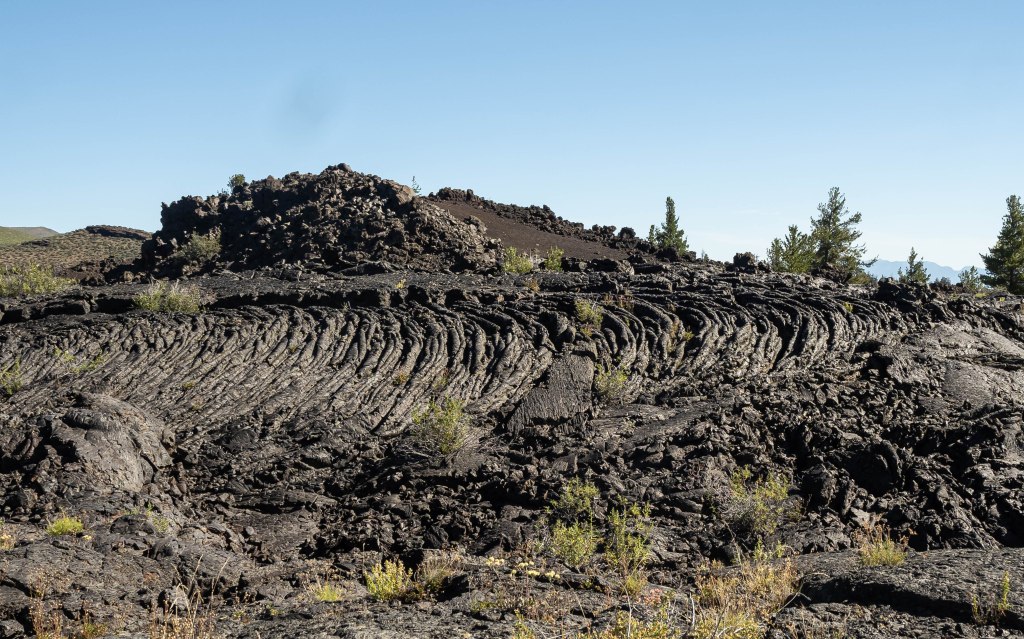
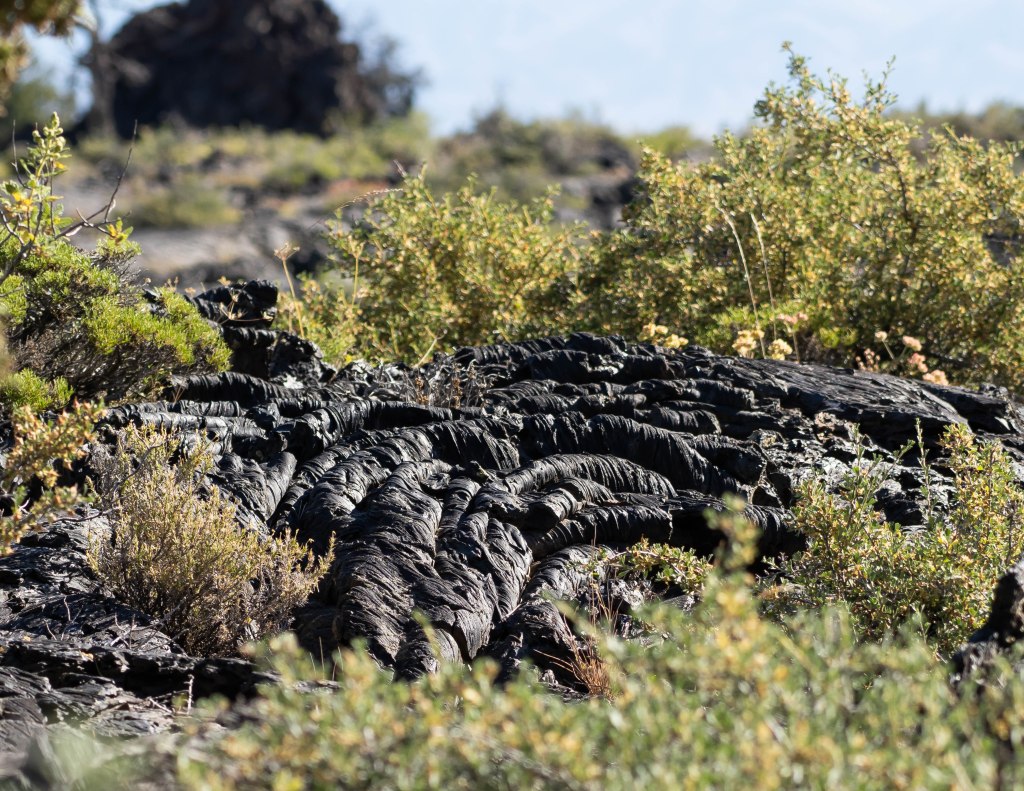
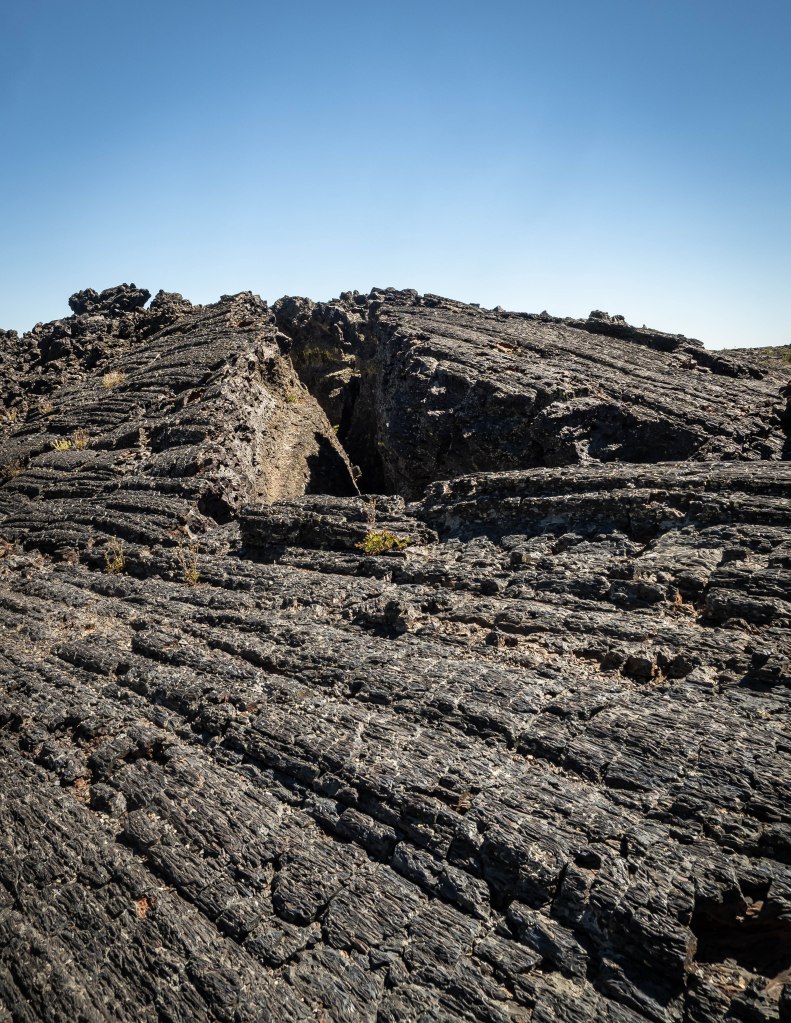
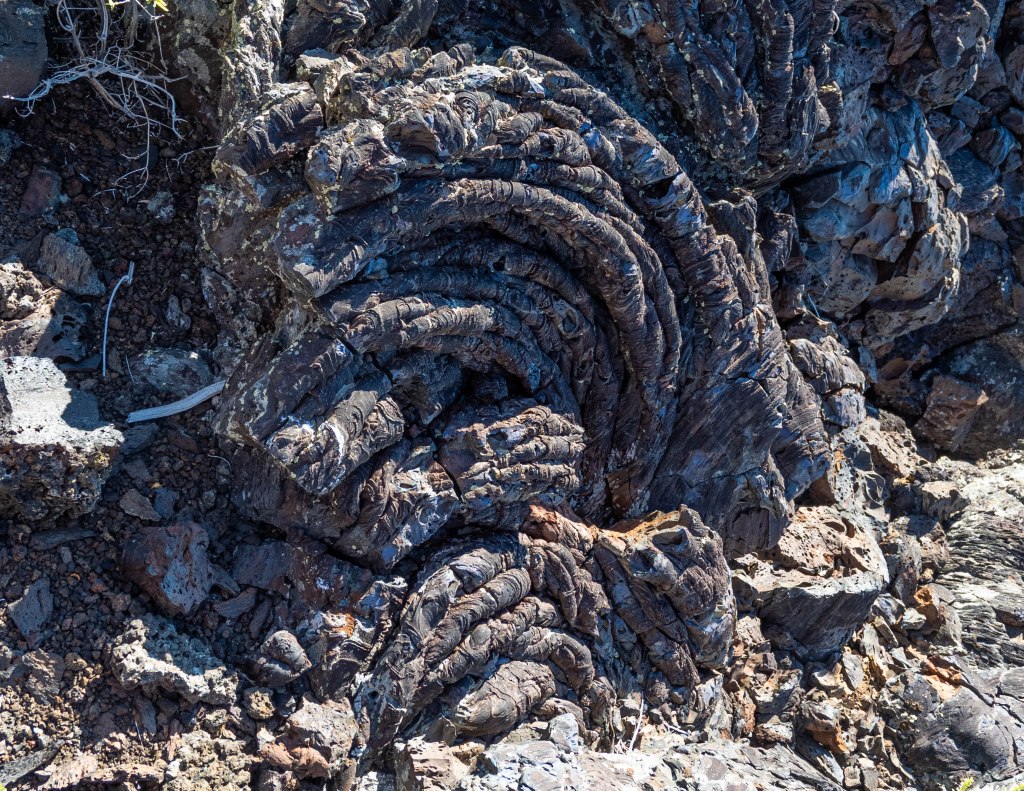
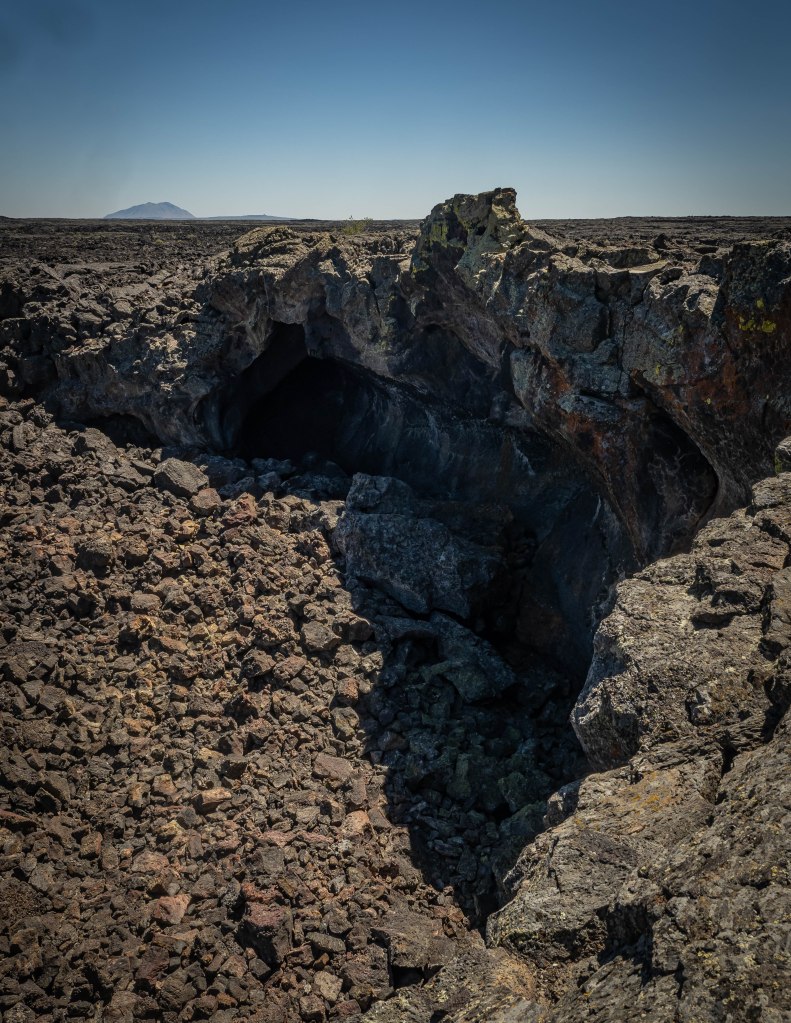
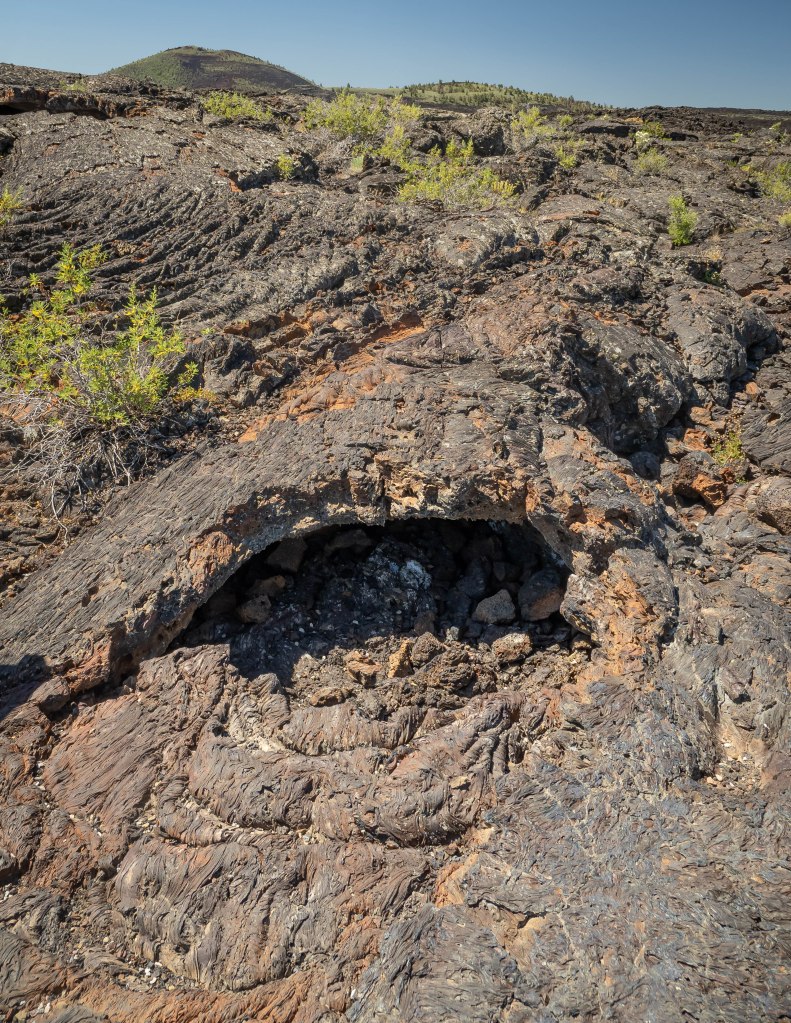
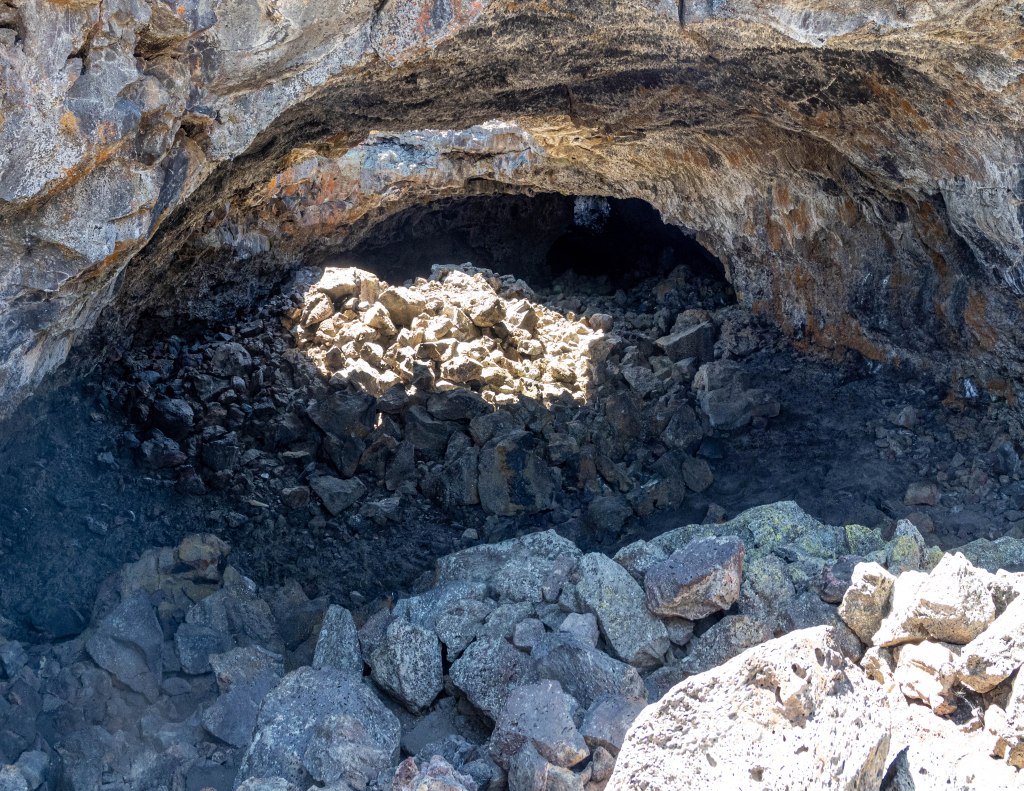
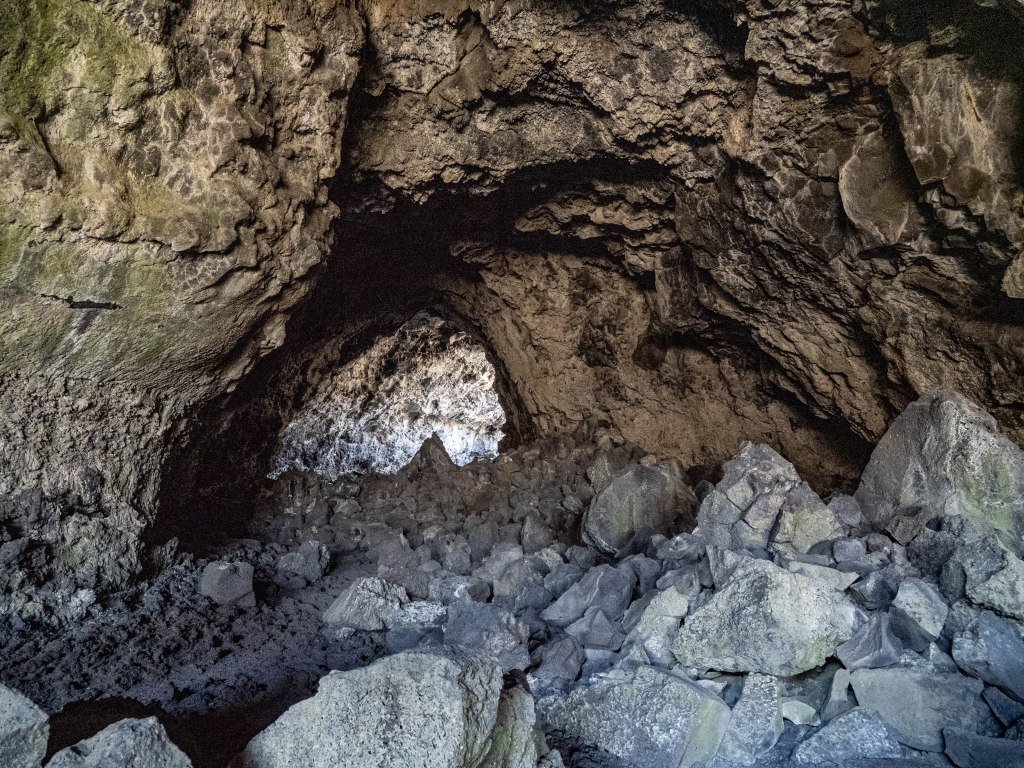
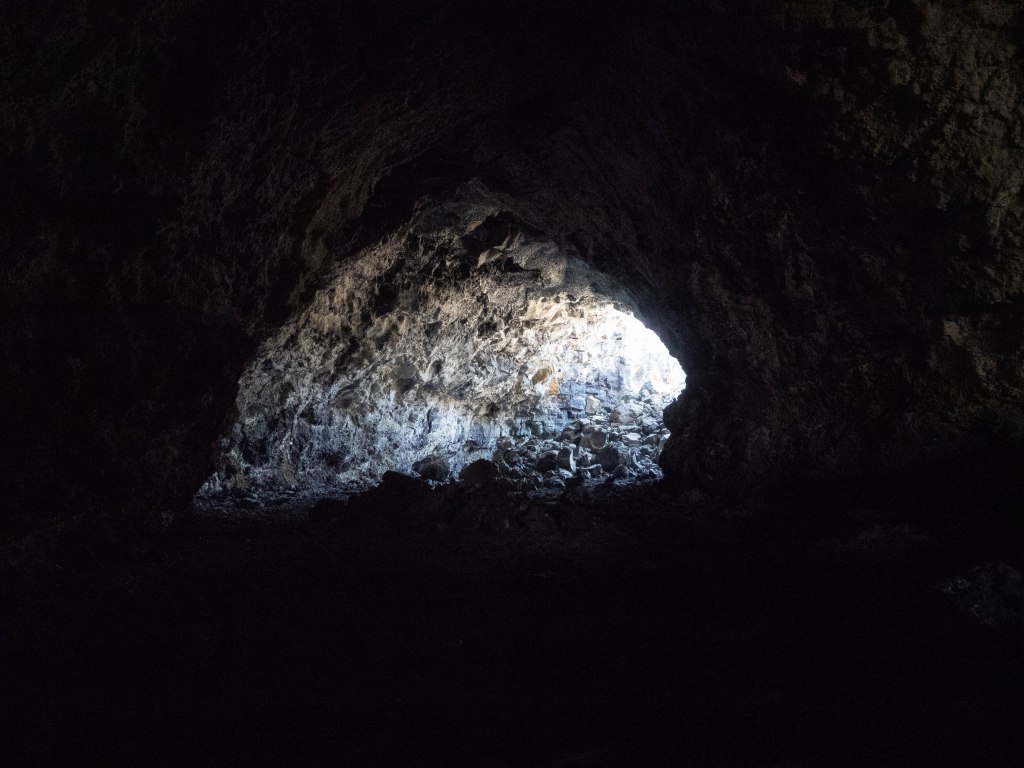
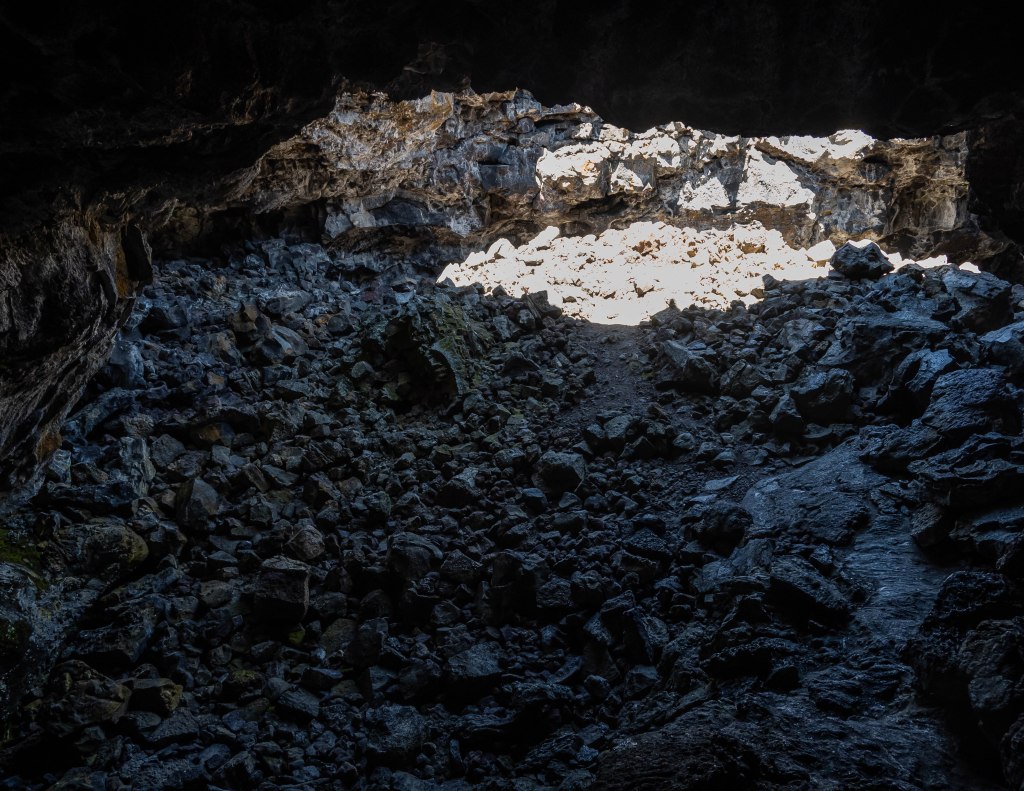
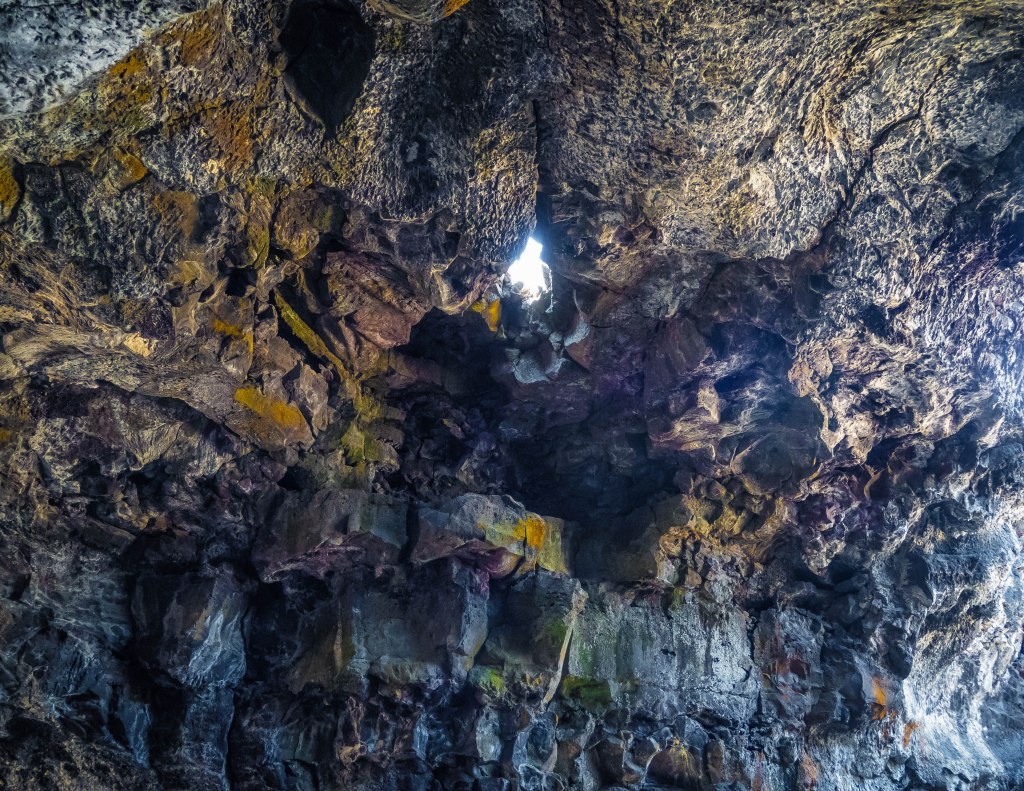
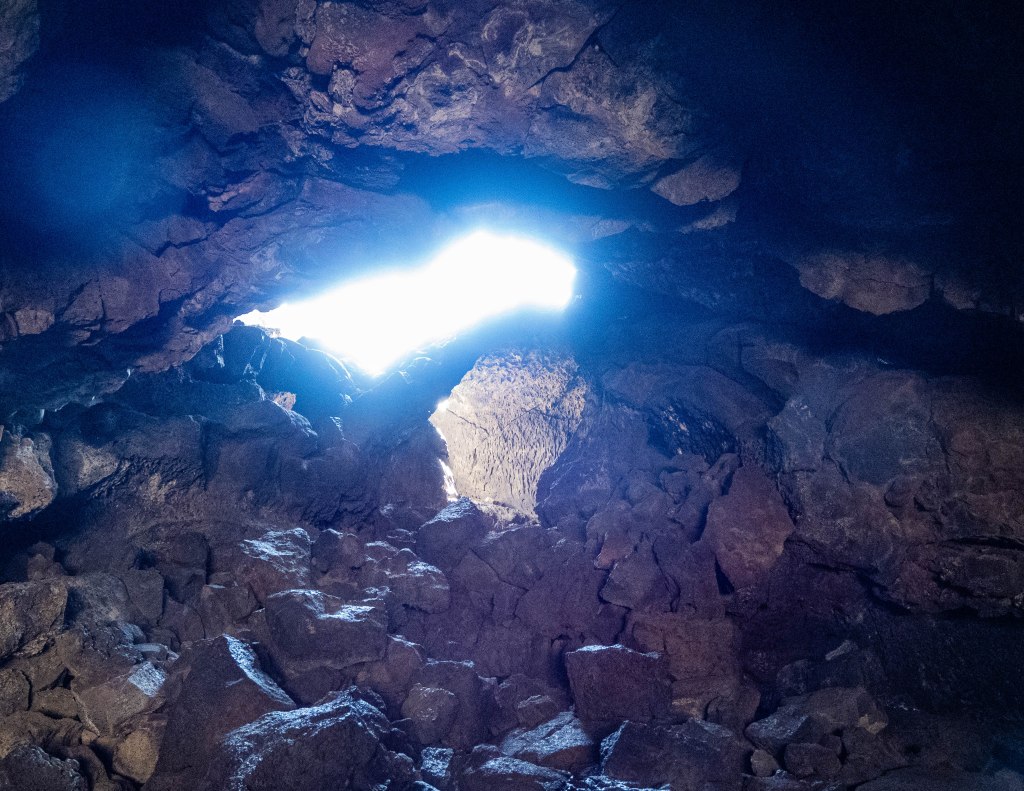
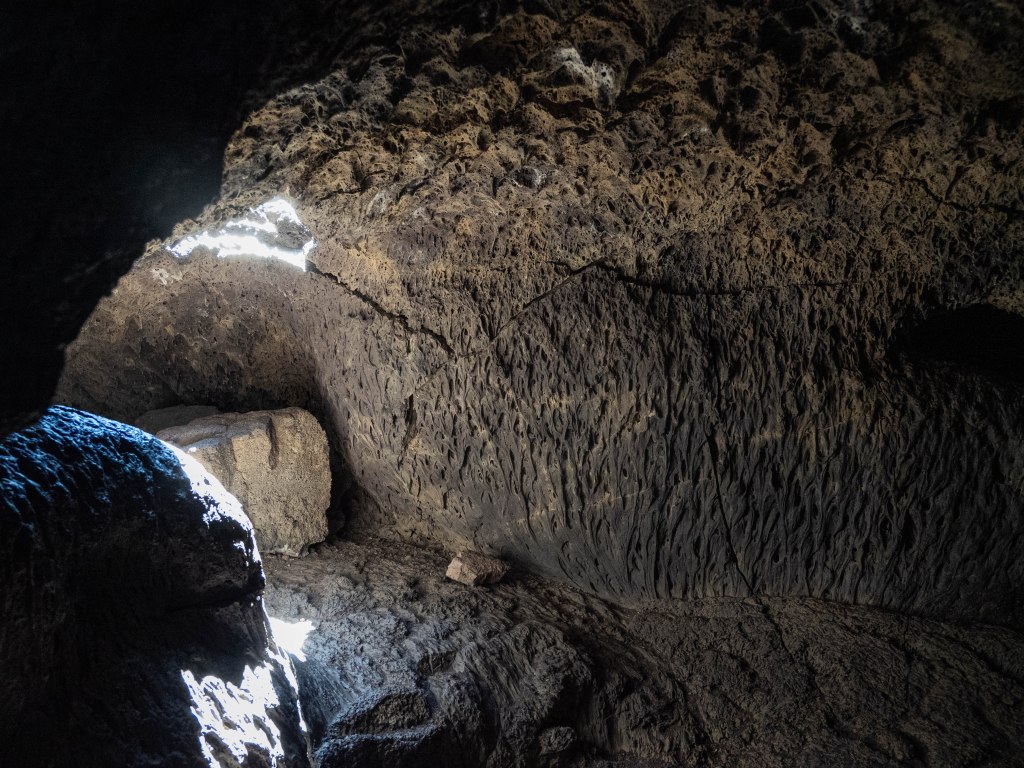
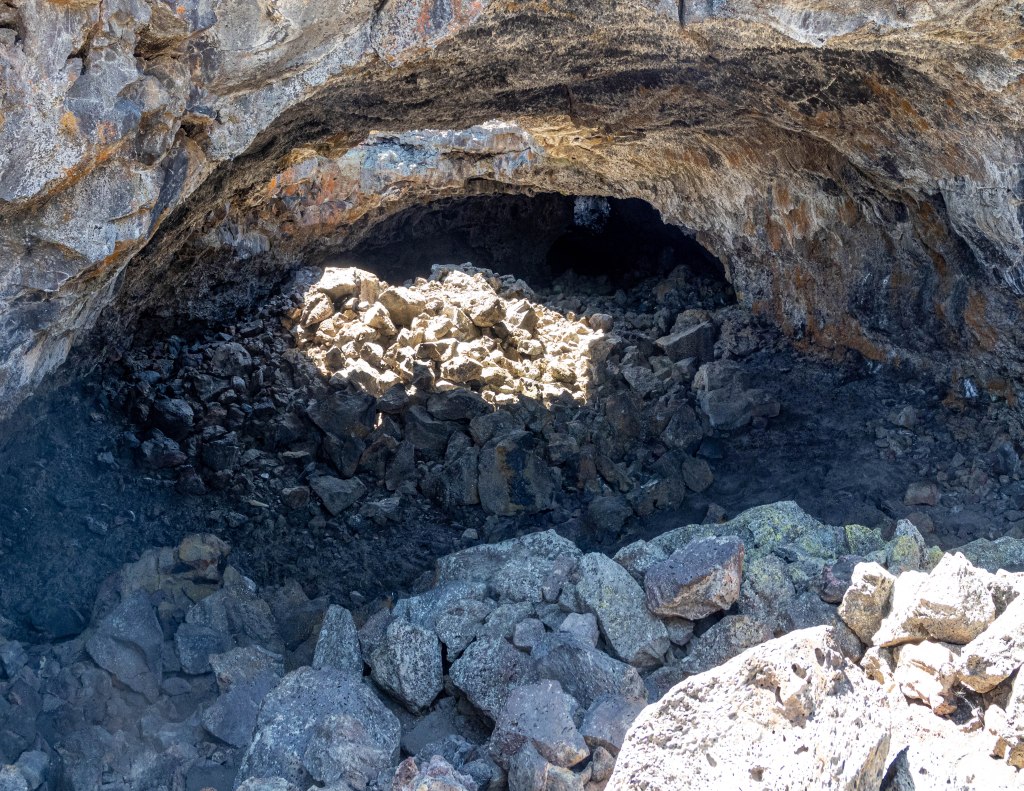
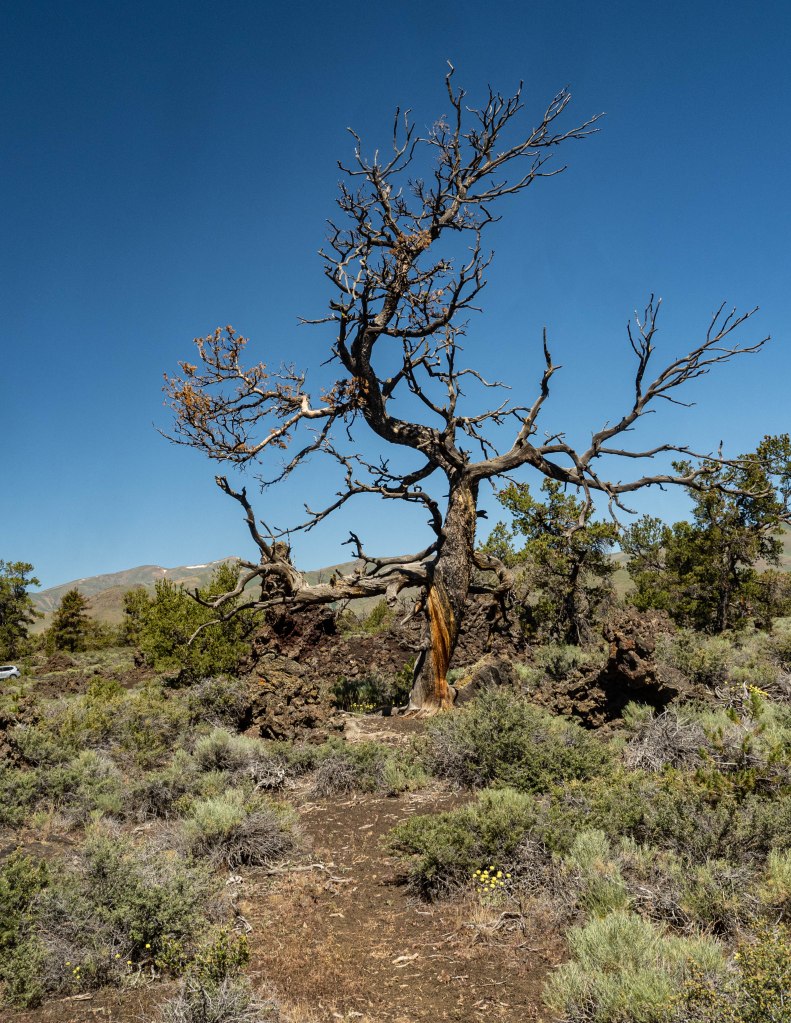
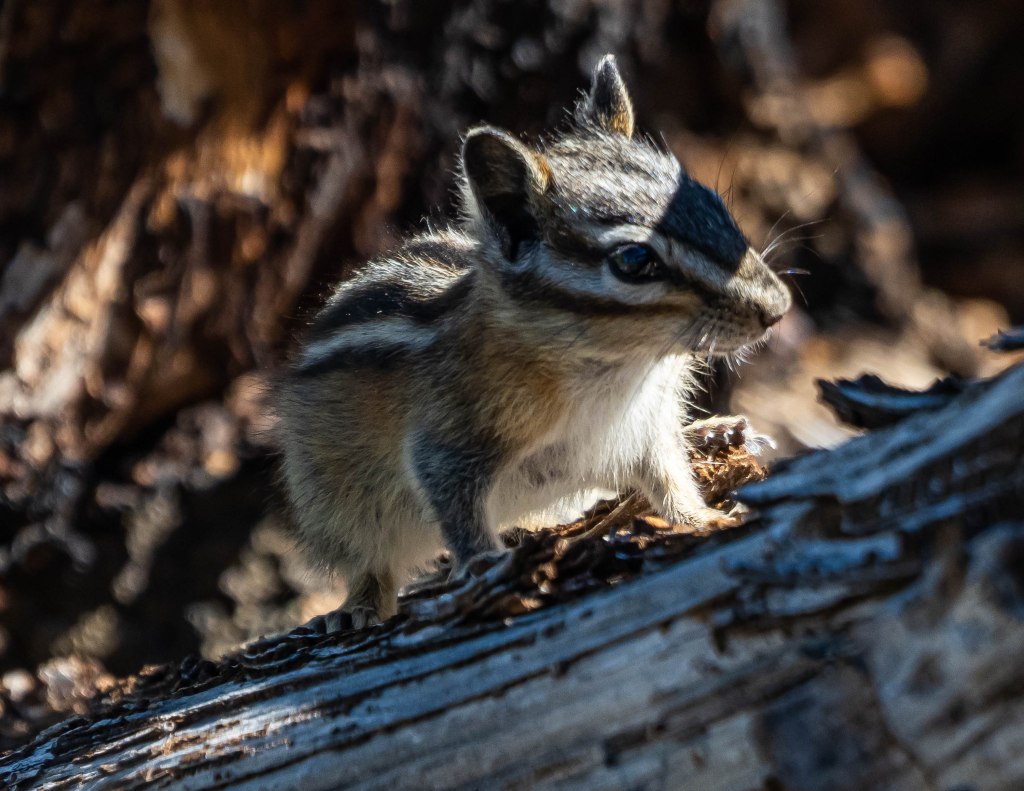
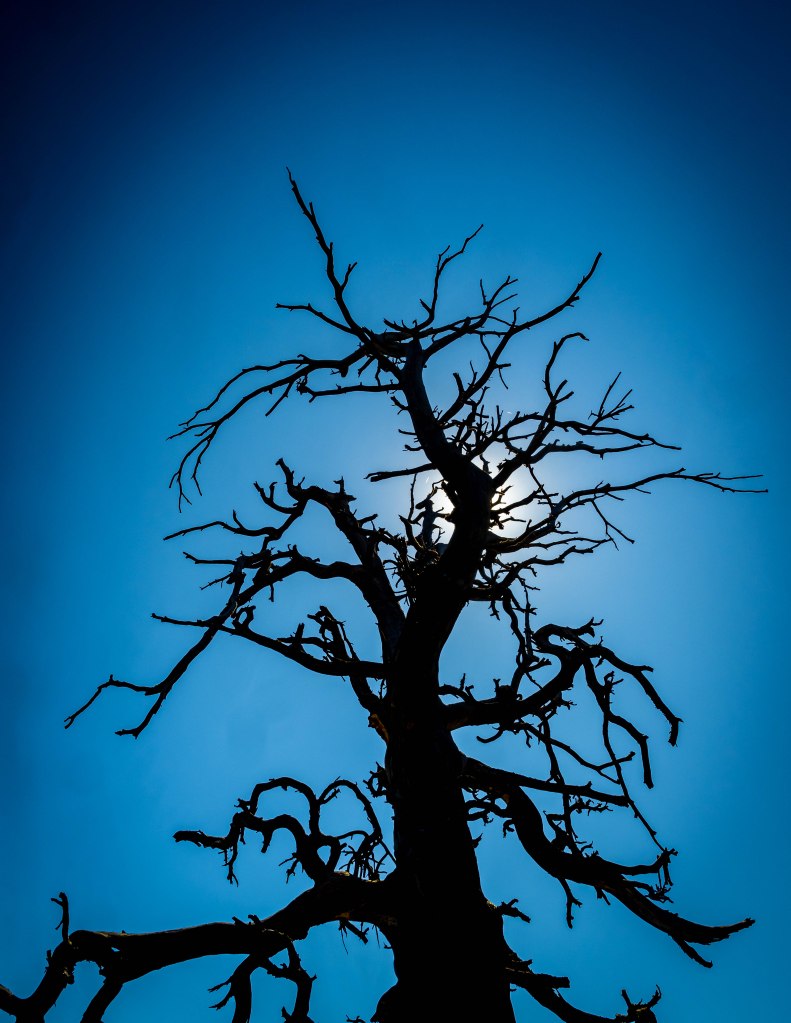
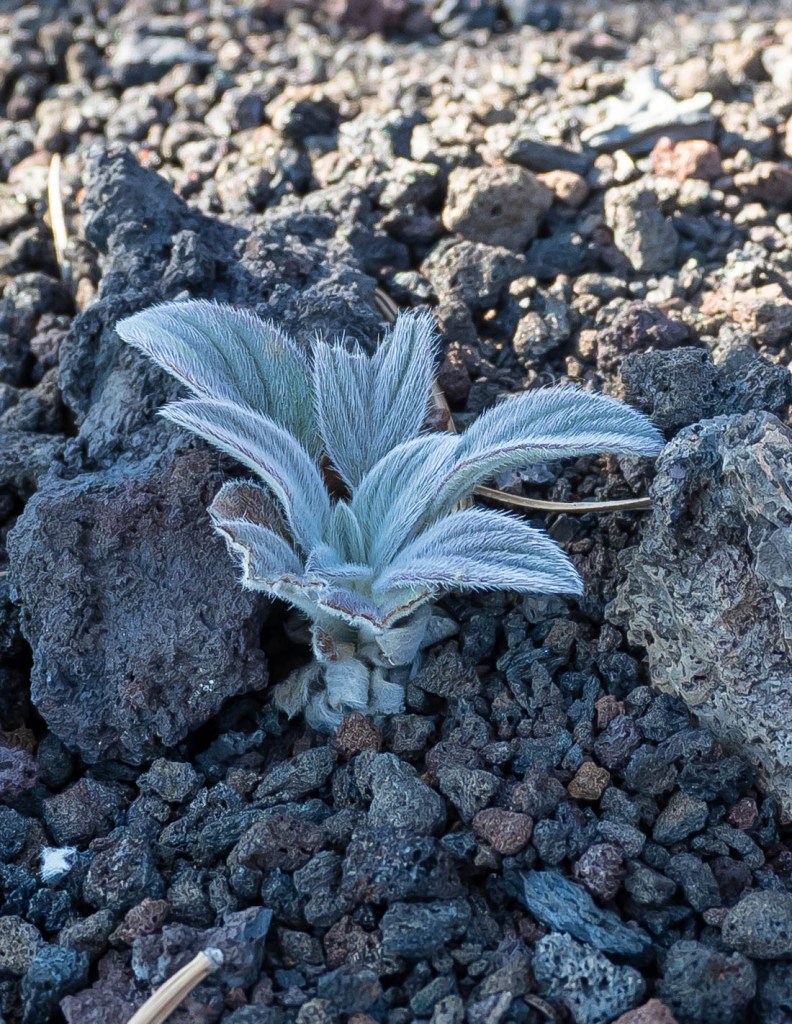
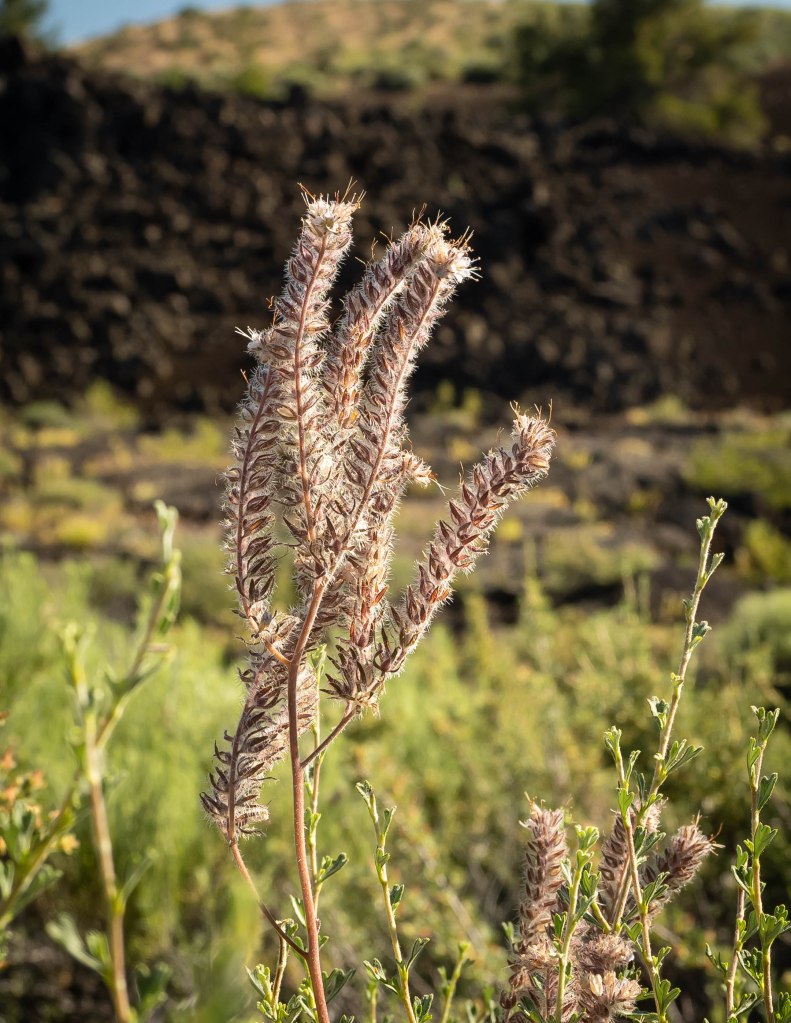
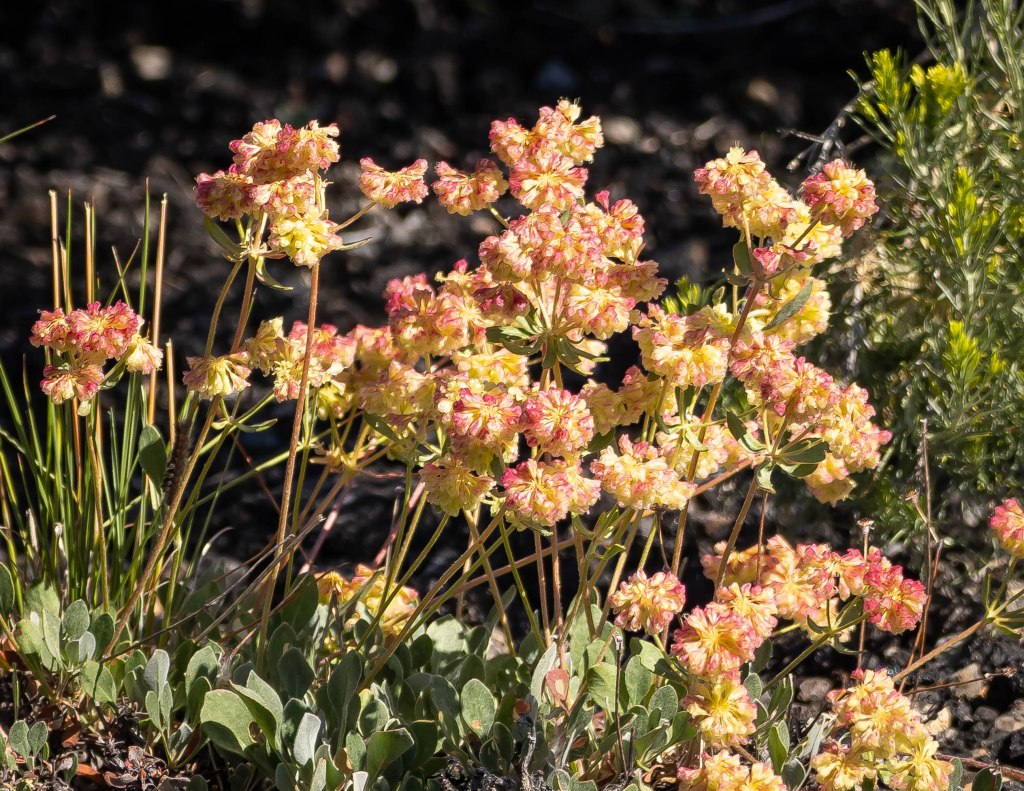
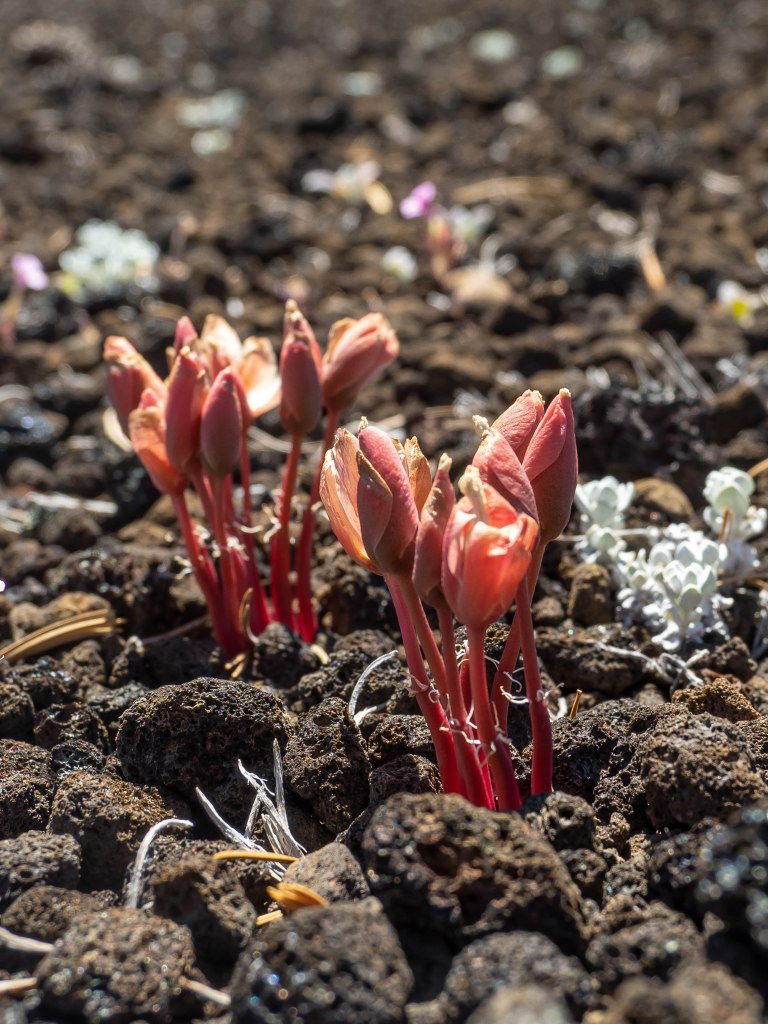
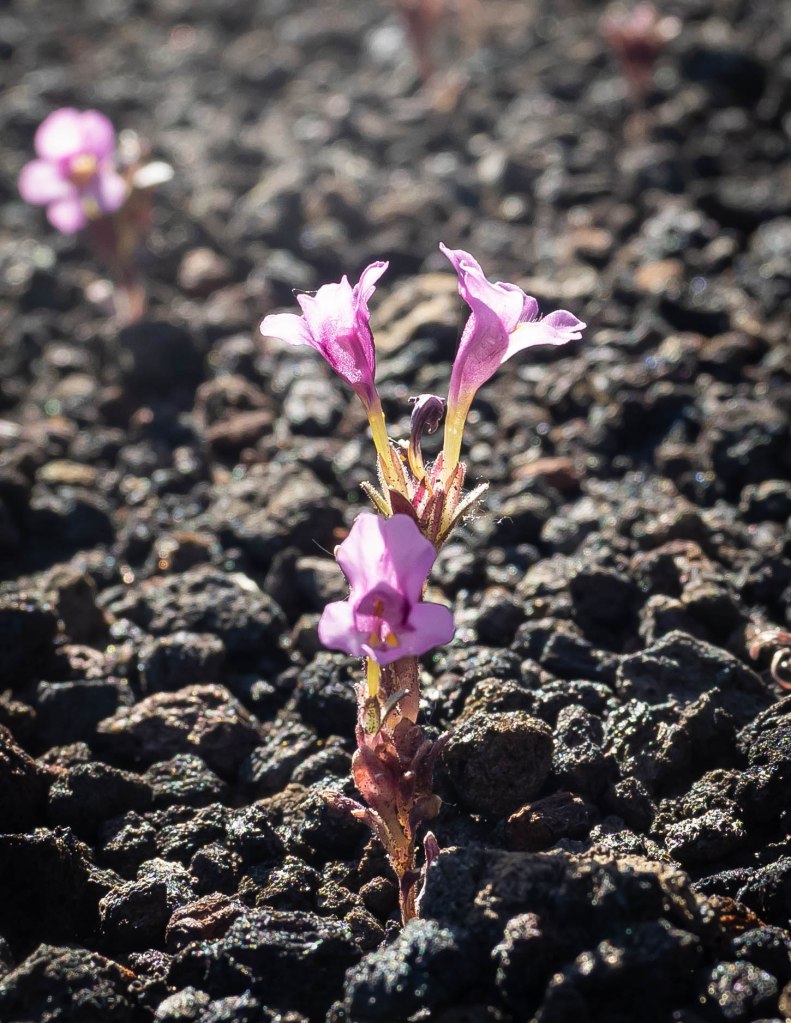
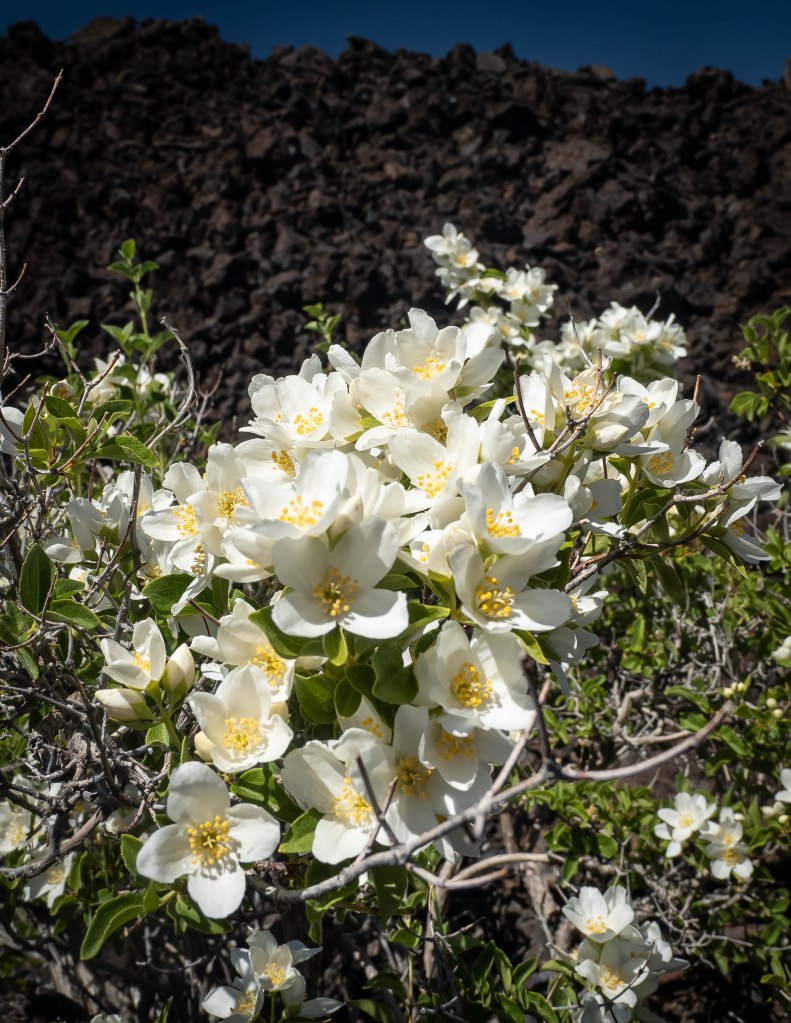
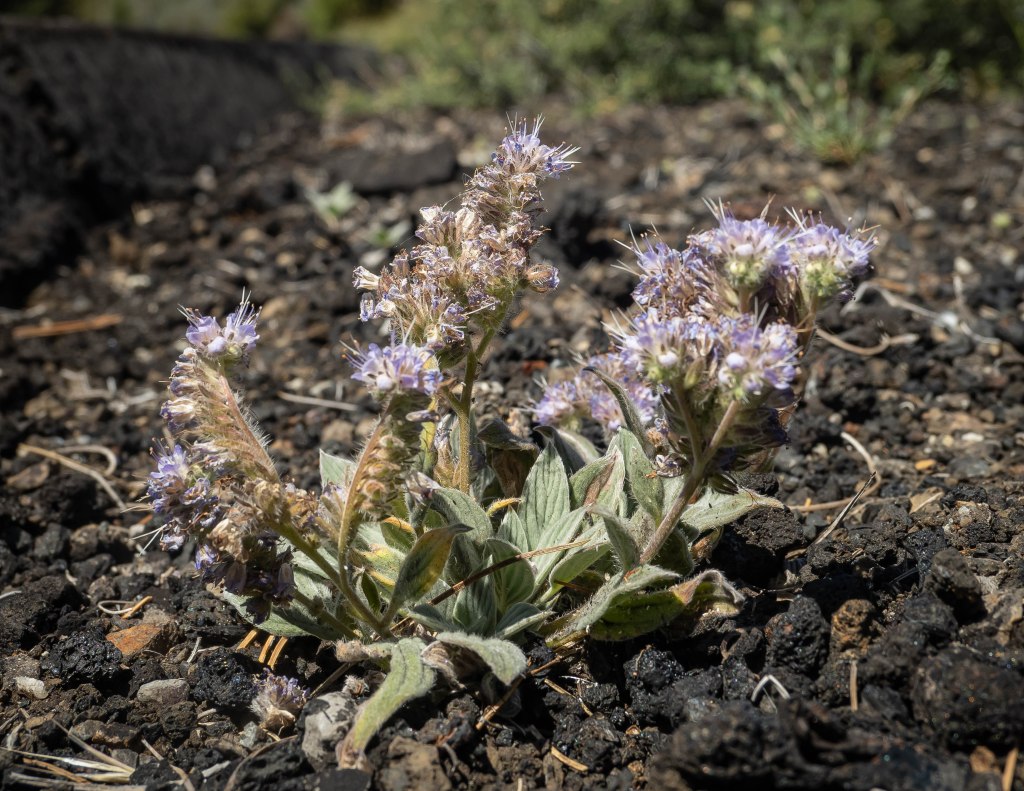
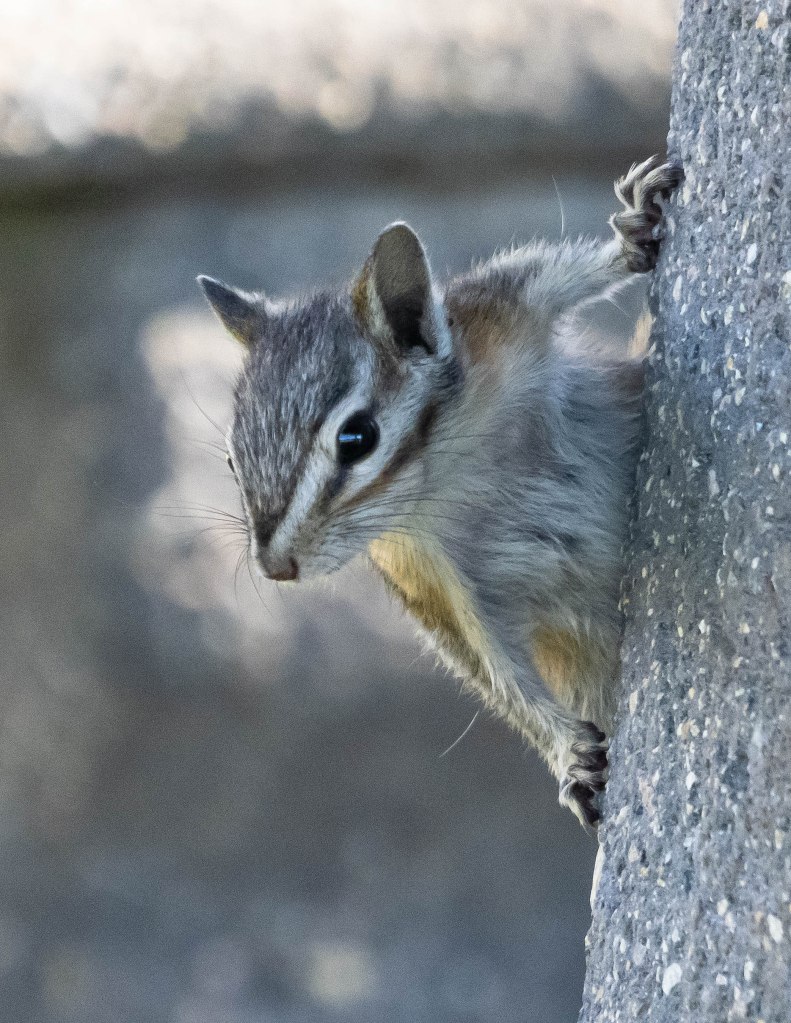
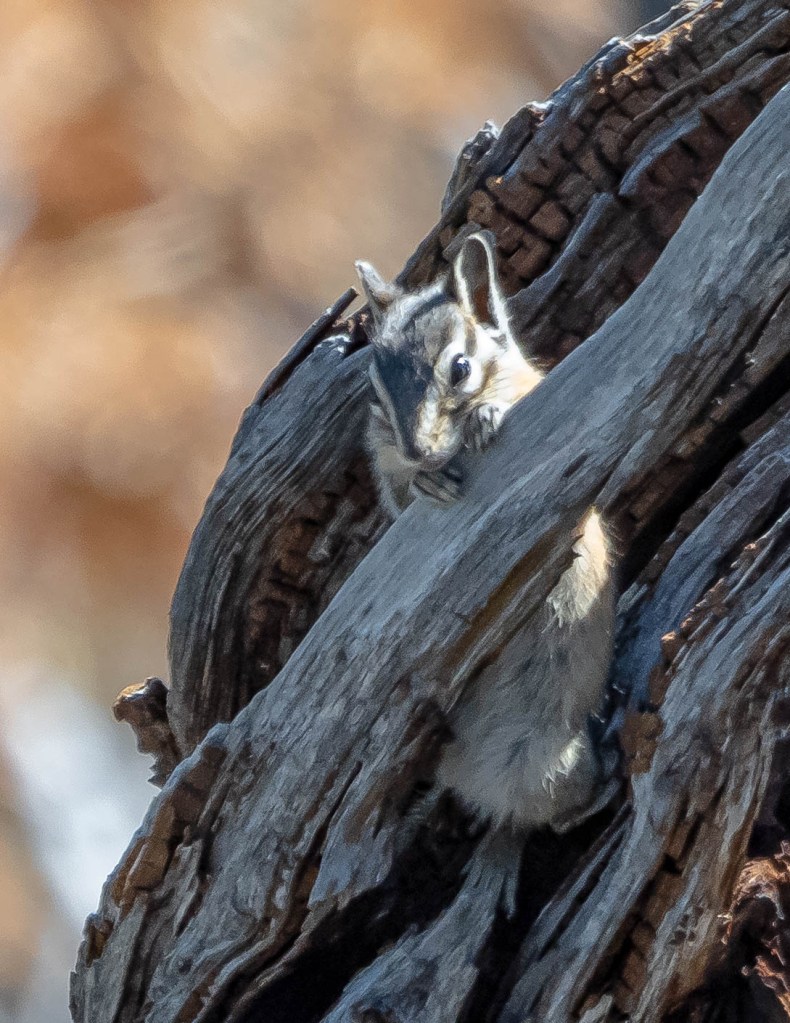
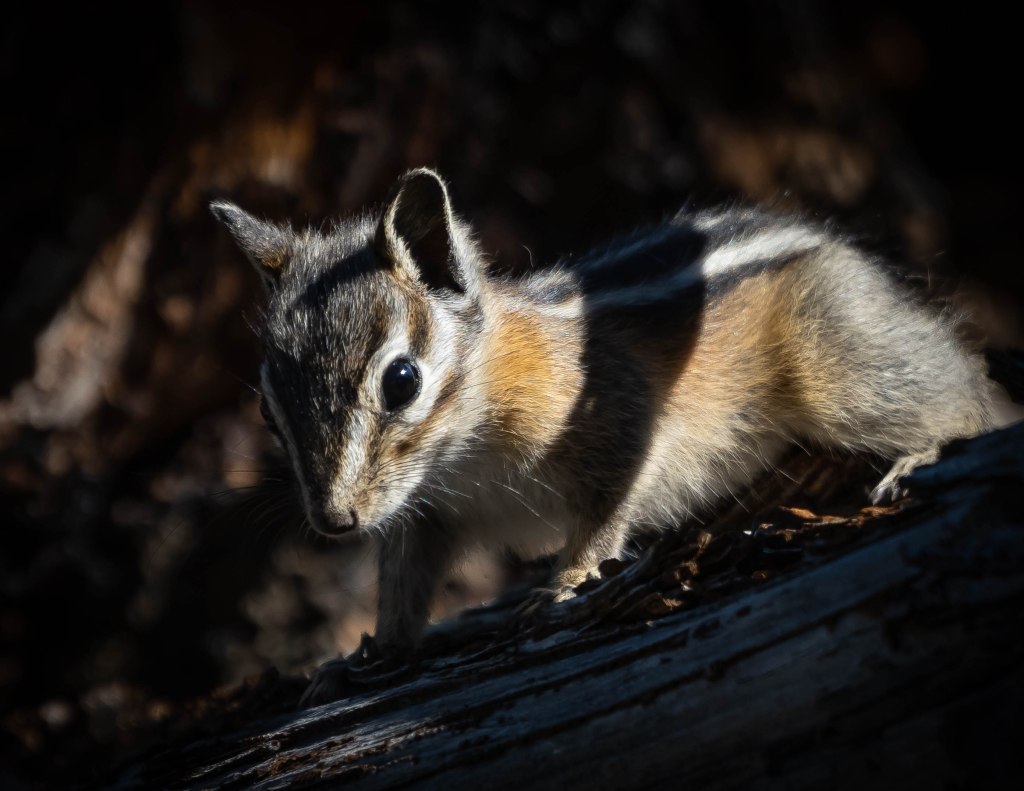
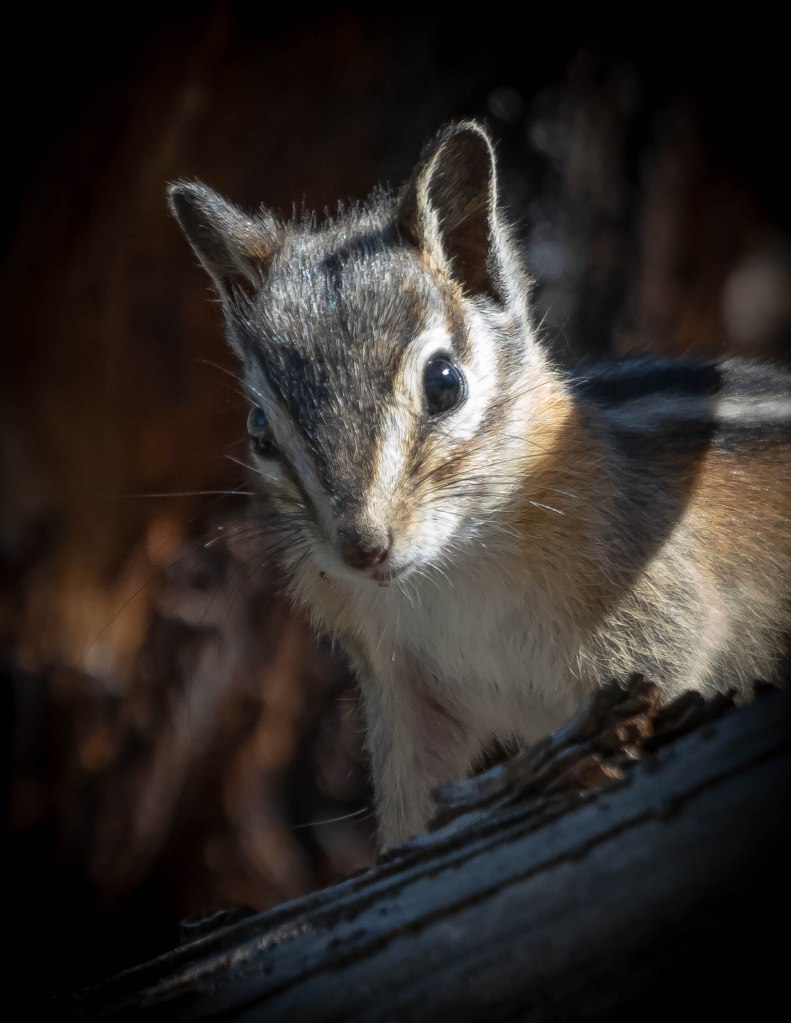
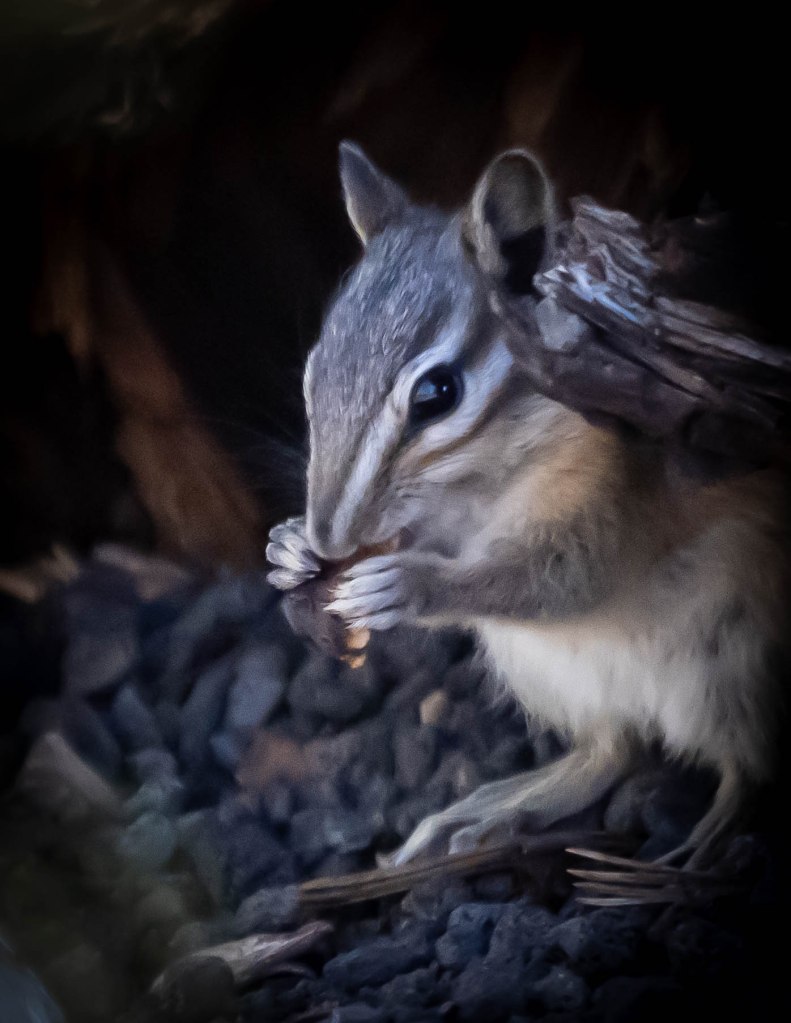
As you can see, the ground is actually a thick layer of volcanic ash and pumice. It is super crunchy and does not feel like it is going to hold your weight. There are waves of hardened lava and lava flows, some forming incredible sculptures. Life abounds here in this seemingly hostile environment.The acres of solidified lava flows are brutal to walk across. You never know when you will step on a thin crust over a lava tube and fall into a sharp crevasse and the sun bounces back, basically cooking you!Yet, life survives here with a variety of beautiful grasses and flowering plants.There are two kinds of lava rock. This is ‘a’A. It is hard but also relatively porous, depending on how much it foamed and encapsulated gasses as it hardened. You can see that it is shattered into boulders from the pressure of the liquid lava either pushing it forward or lifting it up. You do not want to fall on this stuff . . . it will eat you up almost like sliding across broken glass.This is pahoehoe lava. As it starts in a liquid form, it then cools and forms rope-like ripples that harden into amazing waves and patterns. The pahoehoe twists and bends forming cracks and gullies that the plants take root in. As the plants grow, their roots create pressure on the bands and crack it, thus starting the transition of lava into soil in a few million years.More pahoehoe fields.Mother Nature has taken the pahoehoe and formed these crazy shapes!The area is pock marked with collapsed lava tubes. This photo shows how the roof over the tube has failed and filled in access to the tube.Some may have actually been bubbles of gasses in the lava that hardened and have now collapsed.Some are still tubes though. The Park Service warns that all lava tubes will collapse over time, it is the nature of the tube! Entering is a risk, climbing down over shifting rocks and boulders that are jagged and sharp into damp and black voids . . . I love it!!Follow the light!!Some tubes get long and dark!Here you need to climb up through a collapsed roof.Some places you can see where the roof of the tunnel above you has already started to fail creating openings for sunlight and pigeons!Then there is light at the end of the tunnel . . . A narrow vertical hole from a collapse in the tunnel that leads up onto the surface of the lava field! This tube is approximately thirty feet across and high. Imagine, when it was a flowing lava tube, just how much molten earth moved through and out to form new land!This is a harsh environment . . . but life continues to succeed here!The fields are a haven for many animals, like this Chipmunk, as well as deer, goats, sheep and the ever-elusive Pikas.Just another landscape! This area was used to train the first Appollo team that landed on the moon in basic volcanology . . . possibly how it got it’s name!Some things here have not survived, and the park has many of these ancient conifers.These tiny plants thrive in the crushed lava. It is a small-leafed Pussytoes.Various grasses grow in the lava fields, providing food for the Chipmunks and birds. This is a member of the Scorpionweed family.Clusters of Hoary Pincushions abound.Along with large areas covered in Cushion Buckwheat.Pale Springbeauty is just beginning to push up through the lava soil . . . . . . along with Dwarf Purple Monkeyflower (I truly do not name these plants!! LOL)Prettiest of all are the bushes of Lewis’ Mock Orange.Strangest is this Silver Phacelia. that has an almost fuzzy look and texture.I will end this with a few more Chipmunk photos and invite you to skip flying all the way to Hawaii to see a volcano, when you can come to Idaho and have just as much fun (plus . . . there are twelve species of bats here in the caves that are just waiting for you to come say HI!!)I used to have a Chipmunk when I was a small child. They were sold in pet stores then, but like tiny baby turtles, sale of them is no longer allowed.Now you need to come visit our wild areas to catch glimpses of these little critters.I am certain that they would like to see you as well . . . especially if you leave anything tasty lying about your camp site.Please . . . do not deliberately feed the animals. Human food really is not Chipmunk food!



 What the Walrus said . . .
One response to “Craters of the Moon”
Wow, I have never been that close to lava. Thanks for sharing!
LikeLike